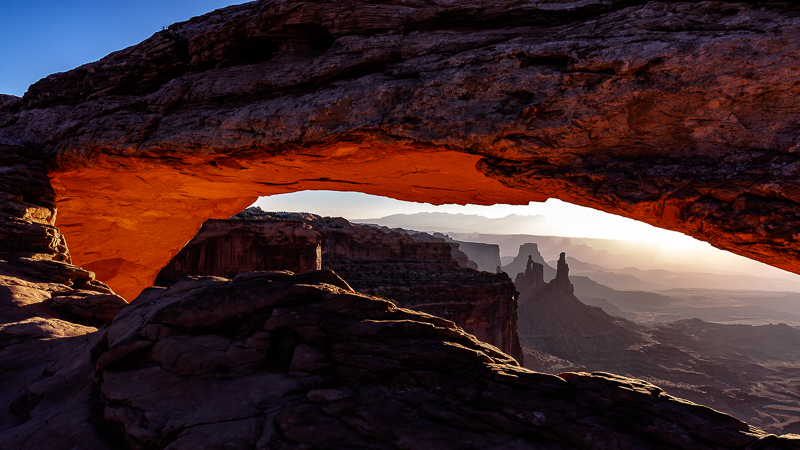
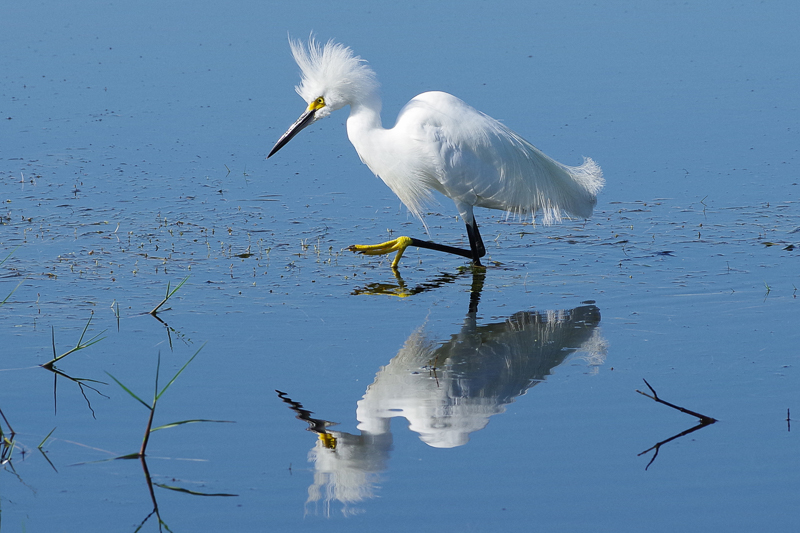
A couple of years ago I wrote an article on how to enter a photography contest. At the 2018 Photofest in St. Augustine, FL, I went to a class on “How to Judge a Photograph” by Lisa Langell. It struck me that if you knew what the judges look for, and used the same criteria to judge your own images as you make your contest selections your chances of success would be much better.
So first of all, from the PPA (Professional Photographers of America) web site, here are the twelve criteria PPA judges are trained to look for.
Impact Viewing an image for the first time always evokes some kind of feeling. Sometimes they can make us sad, happy or angry. Sometimes they force us to look inward at ourselves.
That’s called an impact, and the more powerful the image, the more powerful the emotional response of the viewer.
Technical Excellence This is the print quality of the actual image itself as it’s presented for viewing. There are a lot of aspects that speak to the qualities of the physical print. These can include:
Retouching
Manipulation
Sharpness
Exposure
Printing
Mounting
Color correction
Creativity Your point of view is exactly that– yours. And it’s unlike anyone else’s.
This element speaks directly to that perspective. It shows your imagination and how you used the medium to convey an idea, a message or a thought to the viewer. This is how you differentiate yourself from others.
Style There are many, many ways to apply this element to your work. Maybe you use light in a specific way on a subject, or maybe you make a technical decision for the express purpose of underscoring desired impact.
When subject matter and style come together in an appropriate manner, the effects on an image can be spectacular. But remember, when subject matter and style don’t work together, the results can be, well, less-than-spectacular.
Composition When all the visual elements of an image come together to express intent, that’s when the magic of composition happens. Good composition captures a viewer’s attention and directs it where you, the artist, want it to be. Depending on your intent, you can make something that pleases the viewer– or disturbs them.
Presentation How you showcase an image is just as important as how you compose it. Everything in the presentation should work to enhance your image and not distract from it. Keep this in mind when choosing mats, borders and everything in between.
Color Balance Proper color balance can bring a sense of harmony to an image. When the tones all work together to support an image, the emotional appeal is that much greater.
But color balance doesn’t have to be used to bring harmony to an image. You can use color balance to evoke any number of feelings from a viewer. The choice in how to take advantage is entirely up to you, but no matter what, be sure your choice enhances rather than distracts.
Center of Interest This is where an image’s creator wants a viewer’s attention focused. Sometimes there can be a primary and a secondary center of interest. Sometimes everything in an image will work together to create that center of interest.
Lighting The use and control of light has an effect on every aspect of an image. It informs dimensions and shape, it sets tone and mood, and, like every other technique, proper lighting can be used to enhance your image while improper lighting can detract from it.
Subject Matter Even though it lacks words, your image is still telling a story, and your subject matter is central to that. So make sure that your subject matter is right for the story that you’re trying to tell.
Technique How you choose to execute your image is key. It’s also a holistic decision. Technique informs everything in the creation of your image. From lighting and posing to printing and presentation, it all works to show off the techniques that you’ve mastered and applied to your craft.
Story Telling What does your image evoke in a viewer’s imagination? What do you want your image to evoke in a viewer’s imagination?
Keep in mind: You are creating art. And while the act of creating is a personal thing, so too is the act of viewing. Your image is a story, and the one it tells your viewer may be one you never knew you were telling.
As part of Lisa’s class, we did a quick judging of 50 images. Of 50 images, we judged 15 to be good. We then evaluated what we liked and why we selected them.
In our group, the most important criteria wasimpact. Keep in mind that in a contest, most judges will only spend 3 to 10 seconds on an image. Impact is that WOW Factor that makes a judge want to really look at an image. While all of the twelve criteria can contribute to (or detract from) impact, you have to catch the judges eye quickly. Some of the things that our class felt contributed to impact were action, separation of the subject, a clearly defined subject, eyes, and eye contact, expression, color, simplicity, bokeh (the soft out of focus background), and contrast.
Once you get past the WOW Factor, then the other criteria come into play. As competition chairman, I get to view the judging in most of our contests, and the most common comments I hear from judges involve lack of sharpness, lack of contrast, and compositions that could be improved with cropping. From there it becomes the little things like dust spots, stray highlights, distracting border elements, overly obvious vignetting and color balance.
Most importantly, realize that the judges are human, and art is subjective. Winning or losing is just a reflection of how a panel of judges saw an image on a given day. As one of my judges told me, “If I judged the same images tomorrow, I might get totally different results.”
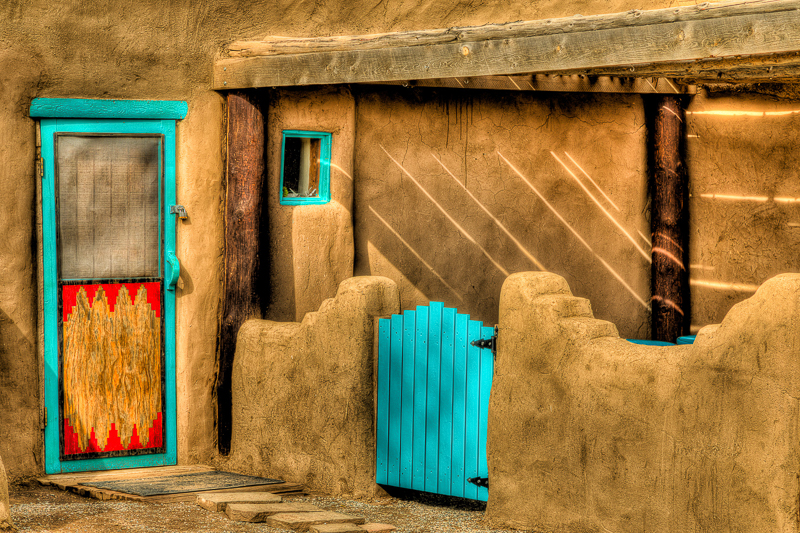
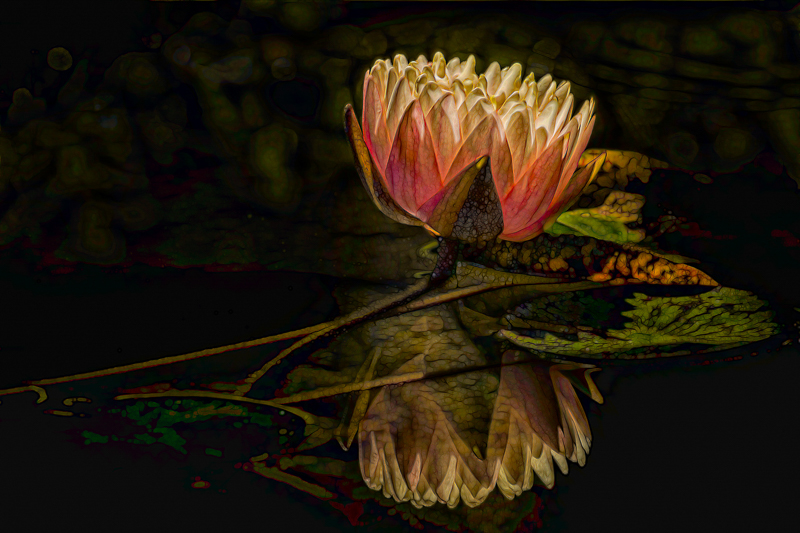
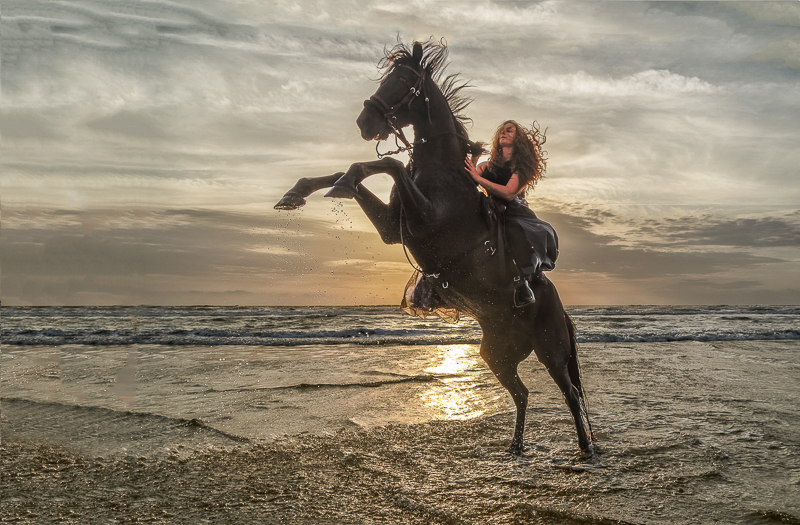
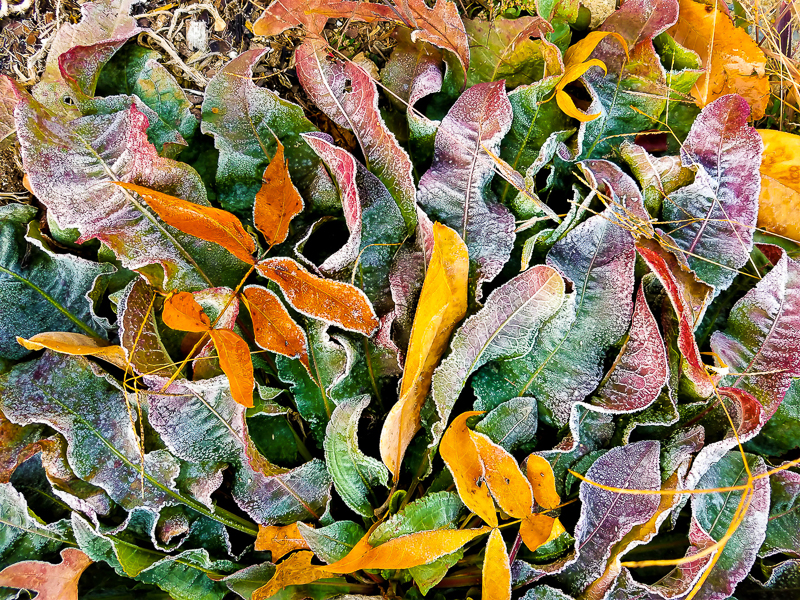
So with all of that in mind, here are the first, second and third place print and digital images from the PSC’s 2018 annual contest, and the three 2018 quarterly contests. As you look at these images, keep these twelve criteria in mind, and see how they apply to winning images. Also as always, be aware that the quality of these images may suffer through reduction in size, and the conversion to PDF format.