Lately I’ve been trying to cut back on the gear I carry when travelling. And while there are times where the situation demands a case full of large lenses and multiple bodies, and maybe even lighting gear, there are lots of times when simpler is better. In the film days, I used to carry a bag full of prime lenses, usually 20mm, 24mm, 35mm, 50mm, 100mm and 200mm. Add to that a couple of bodies and it adds up to nearly 40 pounds. Walking around with 40 pounds of gear for a whole day can quickly suck the fun out of almost any photography. It also seems I spent a lot of time deciding what lens I needed and then changing lenses.
A few years ago I bought a 18-200mm f/3.5-6.3 “all in one” lens for my Canon 7D Mark II. With the 7D’s 1.6 crop factor, that makes it the equivalent of a 28-320mm lens. That will cover all but the most specialized needs. This year I broke down and bought the Tamron 28-300mm f/3.2-6.3 lens for my full frame 5D Mark III and Mark IV. I have done numerous outings carrying only one of these do all lenses, including major trips like Cuba and the Durango Railroad photographer’s weekend with no regrets. And I’ve even purchased the Canon EF-M 18-150mm (28-240 equivalent) for my new M50 mirrorless.
There are some real advantages, and a few minor disadvantages to the all in one lens. First here are some of the advantages I see.
1) The Murphy’s Law of Lenses is “whenever you have more than one lens with you, the lens on the camera will always be the wrong one”. When you approach a scene or subject with an all in one lens you don’t have to decide which lens to use. You don’t have to change lenses, or worse yet change lenses in rain, snow or blowing sand. All you have to think about is your subject and how to compose; the lens choice is already made for you.
2) One lens takes the place or two or more lenses. That’s less weight, less to pack and less to keep track of in the field.
3) Less gear means less discomfort from lugging around a big heavy bag and that makes you a happier and more productive photographer.
4) You’ll never get caught changing lenses right when something good is happening; you’re always ready.
5) They are much less expensive than the multiple lenses they replace.
6) By not changing lenses, you’ll have much less chance of getting dust on your sensor.
Now for some of disadvantages.
1) To be small and yet have such a huge zoom range, there are some tradeoffs in sharpness. There is no way these lenses are as sharp as a prime lens, or even a really good zoom with less zoom ratio. But they are probably sharp enough for almost all of your travel photography. If the only thing people are looking at is how sharp the image is, it’s probably not a good image to begin with.
2) They tend to be slower (that is they have smaller apertures or higher f numbers) and they are usually variable aperture lenses. That means that as you zoom from wide angle to telephoto the aperture becomes even smaller. For the cost and versatility this isn’t a bad tradeoff. Any relatively recent camera can shoot high quality images at ISO 800 or even 1600 and beyond so you can still get a safe shutter speed for hand holding. And these lenses usually have image stabilization to help when hand held (turn this off when on a tripod). If you can’t get a shutter speed fast enough to hand hold, well you did bring a tripod didn’t you?
3) They tend to have more distortion, especially at the wide angle end. Most of the time, you’ll probably never notice it unless you’re shooting brick walls or other subjects with a lot of straight lines. And it’s easy to correct it just by checking the lens distortion checkbox in Lightroom’s develop module.
4) If it’s the only lens you’re carrying and it breaks, your shooting is done. True, but in 300,000 shots with five cameras and a dozen lenses, I’ve never had one fail in the field. That even includes a camera and lens that fell off a tripod, and bounced on a sidewalk. With a quick gaffer tape repair they worked for the next week until I could send them off for repair.
5) They aren’t as wide as I’d like at the wide end. I love the look of a 24mm lens and find there is huge difference just going up to 28mm, which is the common wide focal length. Tamron does make a 16-300mm for APS-C bodies which is an amazing 25-480mm equivalent. But most of the time I find I can work around not having a 24mm.
Here’s a bonus tip. Photograph with friends who use the same brand of gear. In Cuba four of us shot Canon and between us we had at least one spare body and a couple of spare lenses. The two Olympus shooters had coordinated their backup gear so they were covered without duplication, and the lone Nikon shooter, well who cares, after all he shoots Nikon.
Here are some shots from a couple of recent trips. I might even consider a couple of them once in a lifetime trips, and yet I trusted the whole event to a single all in one lens. And like I said, no regrets and I’m more than happy with my images, even though I am very picky about image quality. As usual, at this size and with the conversion to PDF you may not be able to fully appreciate the image quality, but trust me it’s there.
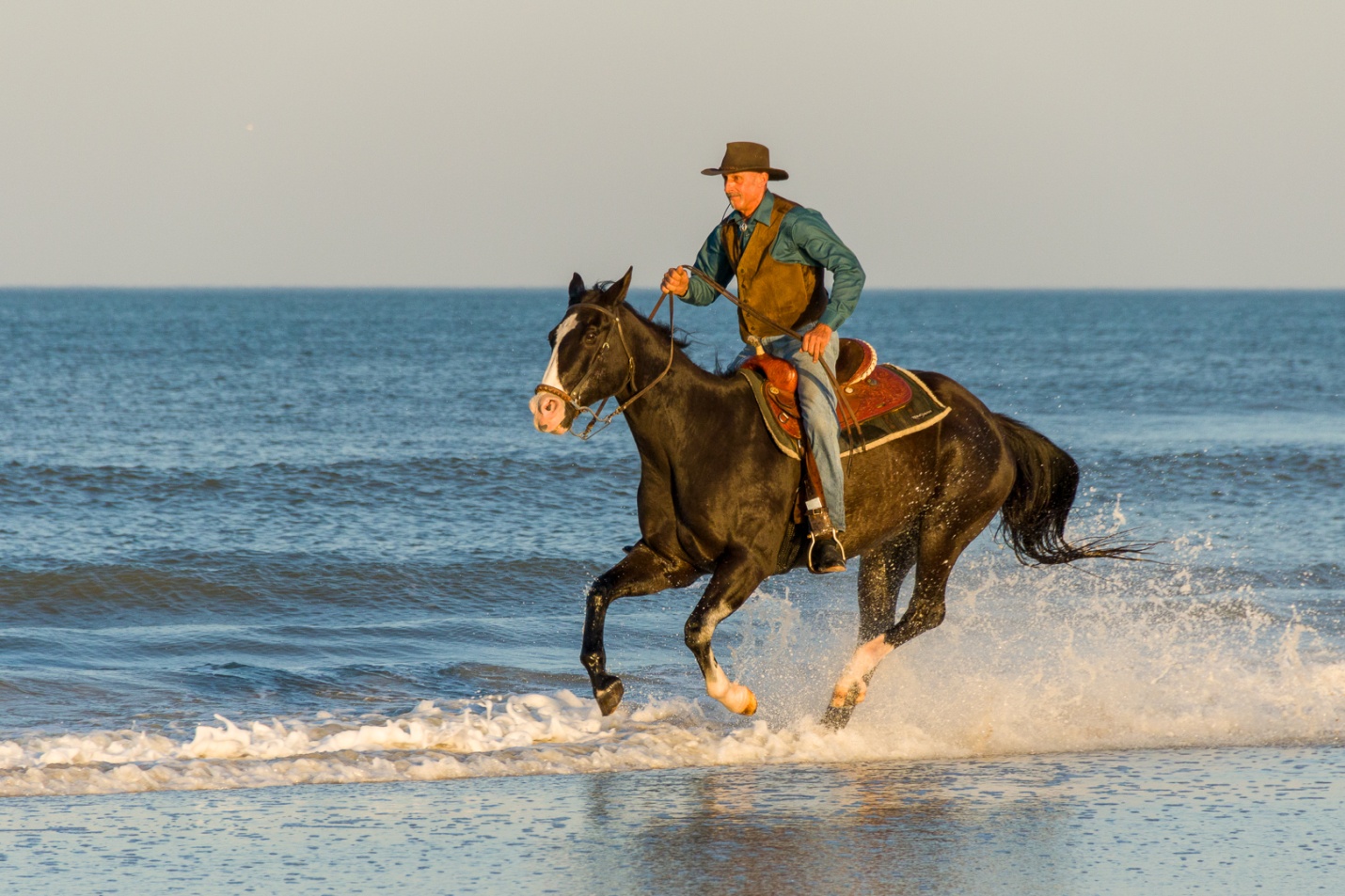
In 2017 I shot horses at the beach for the first time using a Canon 5D Mark III and 24-105mm and 70-300mm lenses. It seems like I was constantly changing lenses with sand and salt water spray flying. And I had to protect that extra lens while I was sometimes past knee deep in the surf. In 2018 I decided to use the 7D Mark II and only the 18-200mm Sigma. It covered everything I needed with ease. There was no lens changing, no extra lens to carry and keep dry, and I never missed a shot because I was busy changing lenses. Here are some shots from the 2018 St. Augustine Photofest and the horses on the beach. All are taken with the 7D Mark II. The first two are at 18mm (28mm equivalent), the third is at 39mm (64mm equivalent) and the last is at 200mm (320mm Equivalent).
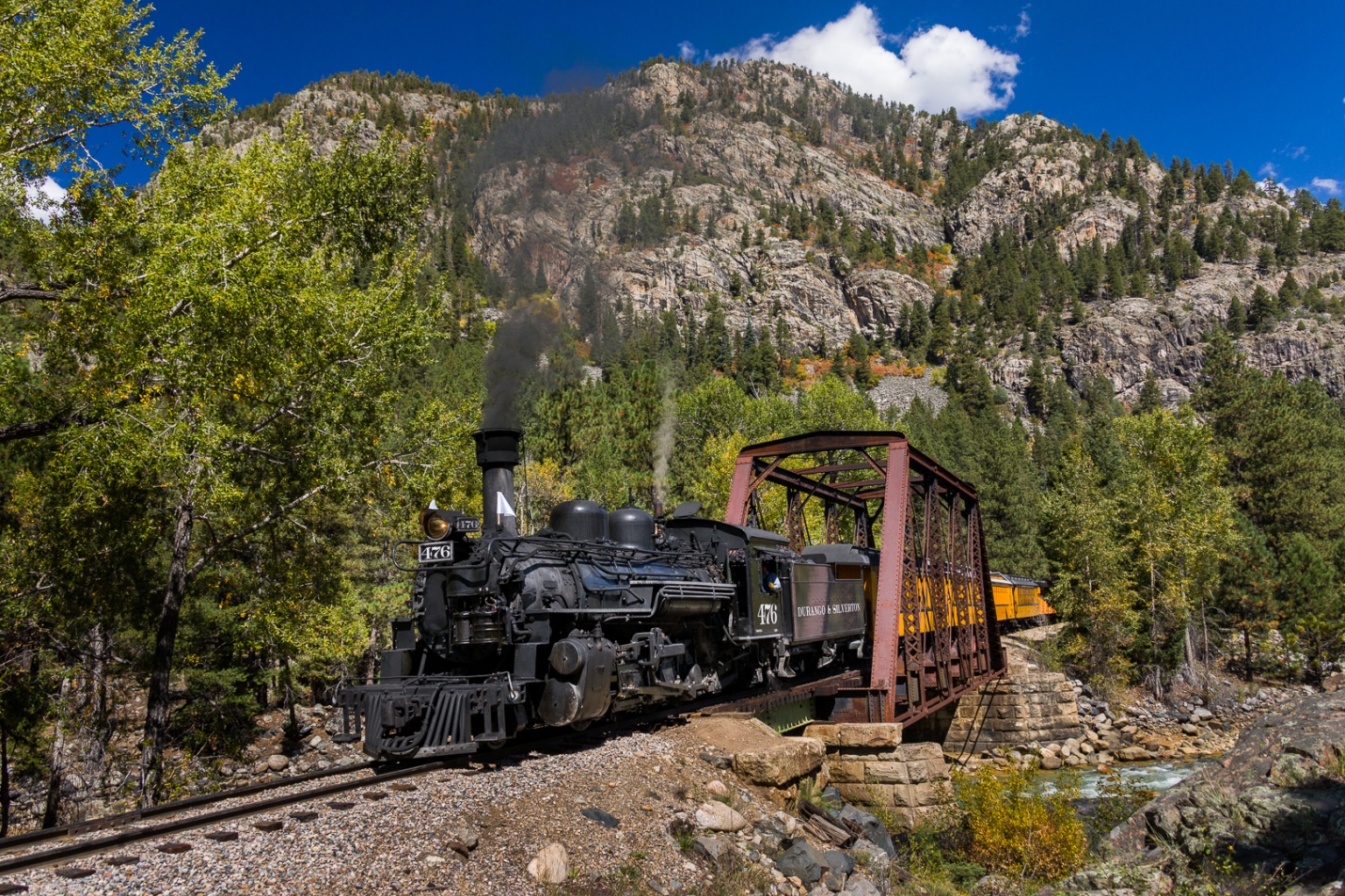
In September I went out to the Durango to Silverton Photographer’s Weekend. I only used my 5D Mark IV with the 28-300mm. I didn’t want to be juggling multiple lenses climbing on and off the train frequently, and I sure didn’t want to be caught changing lenses as the train went past. The first shot is at 28mm, and the second at 300mm.
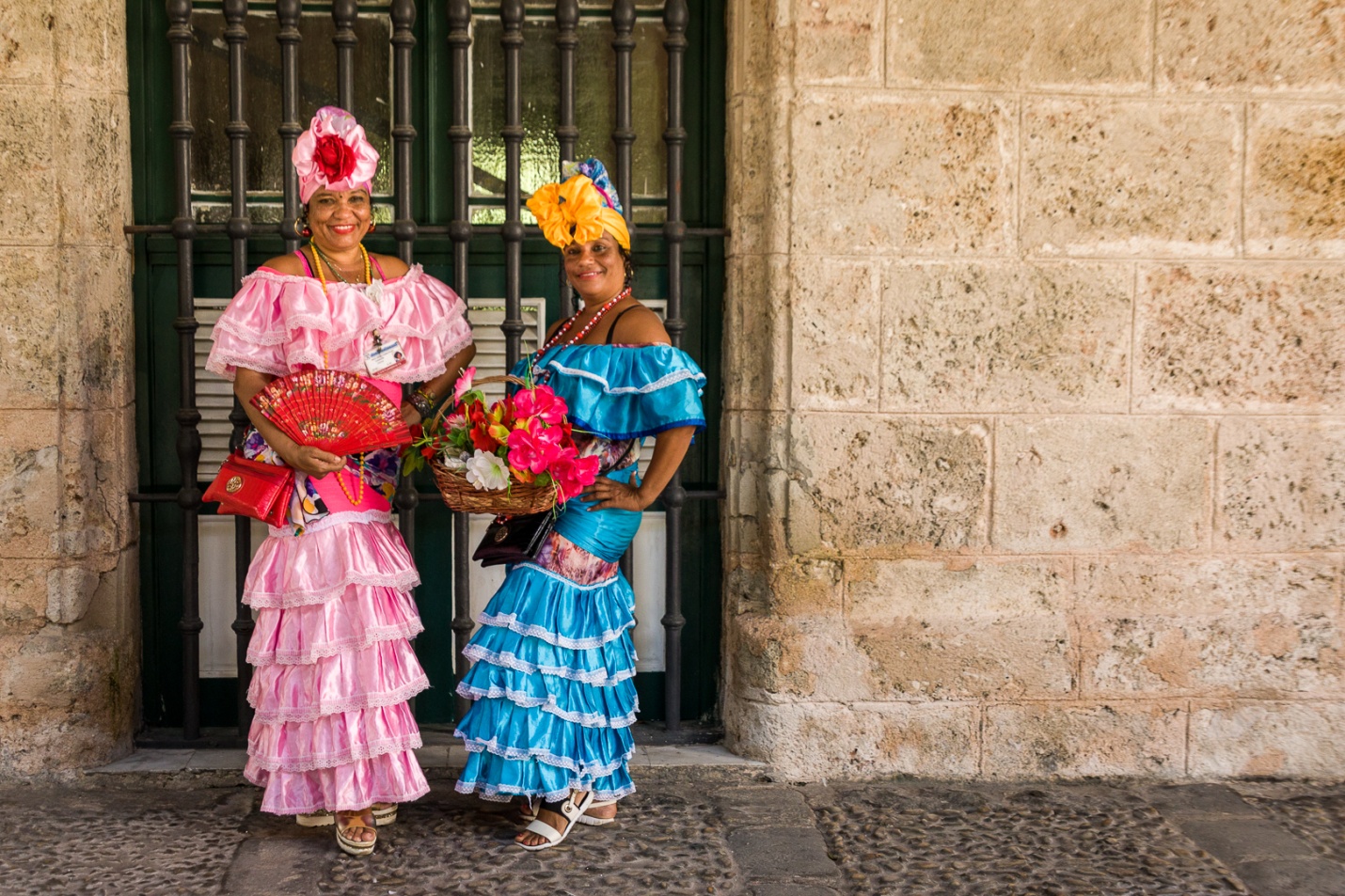
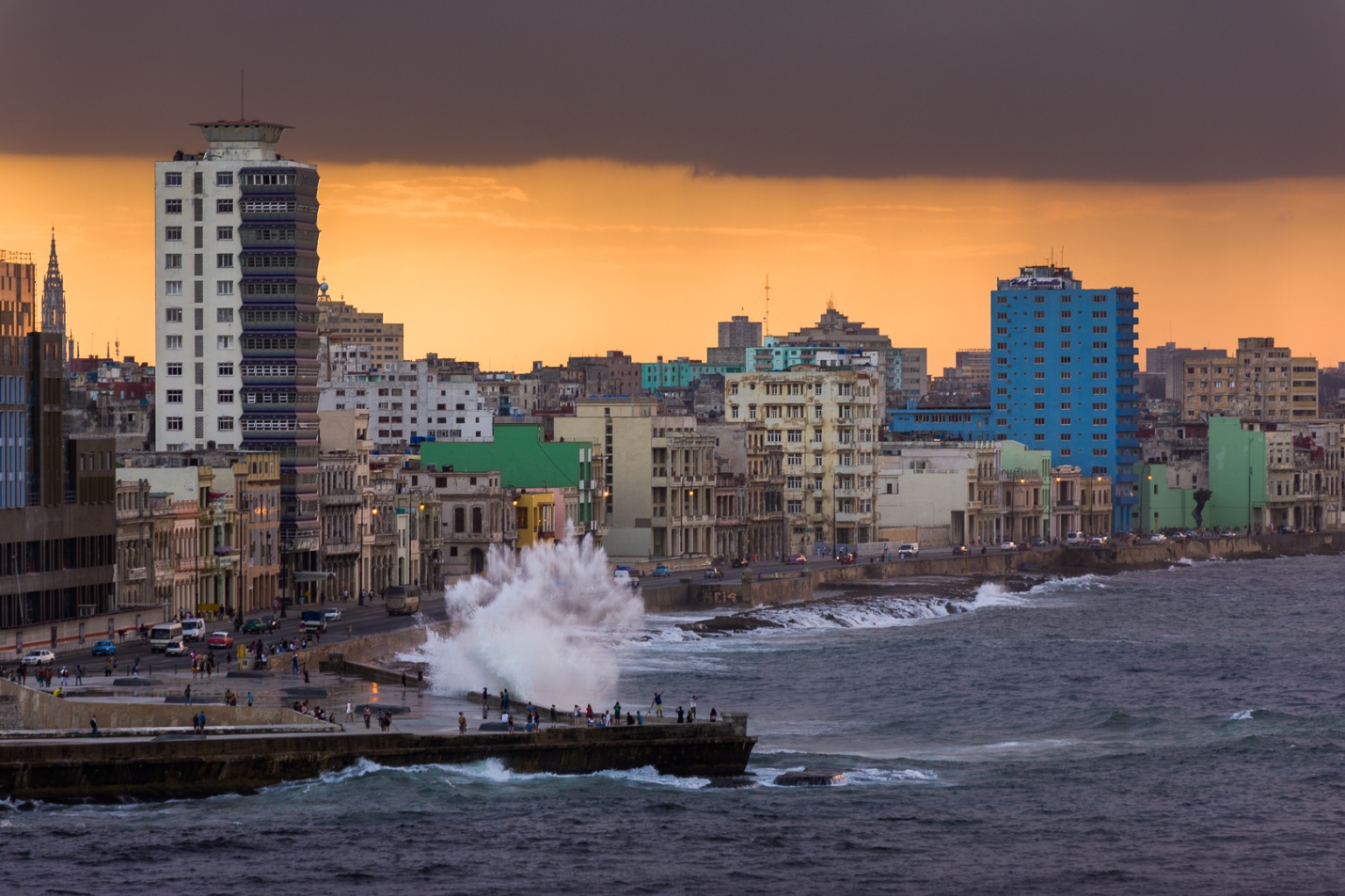
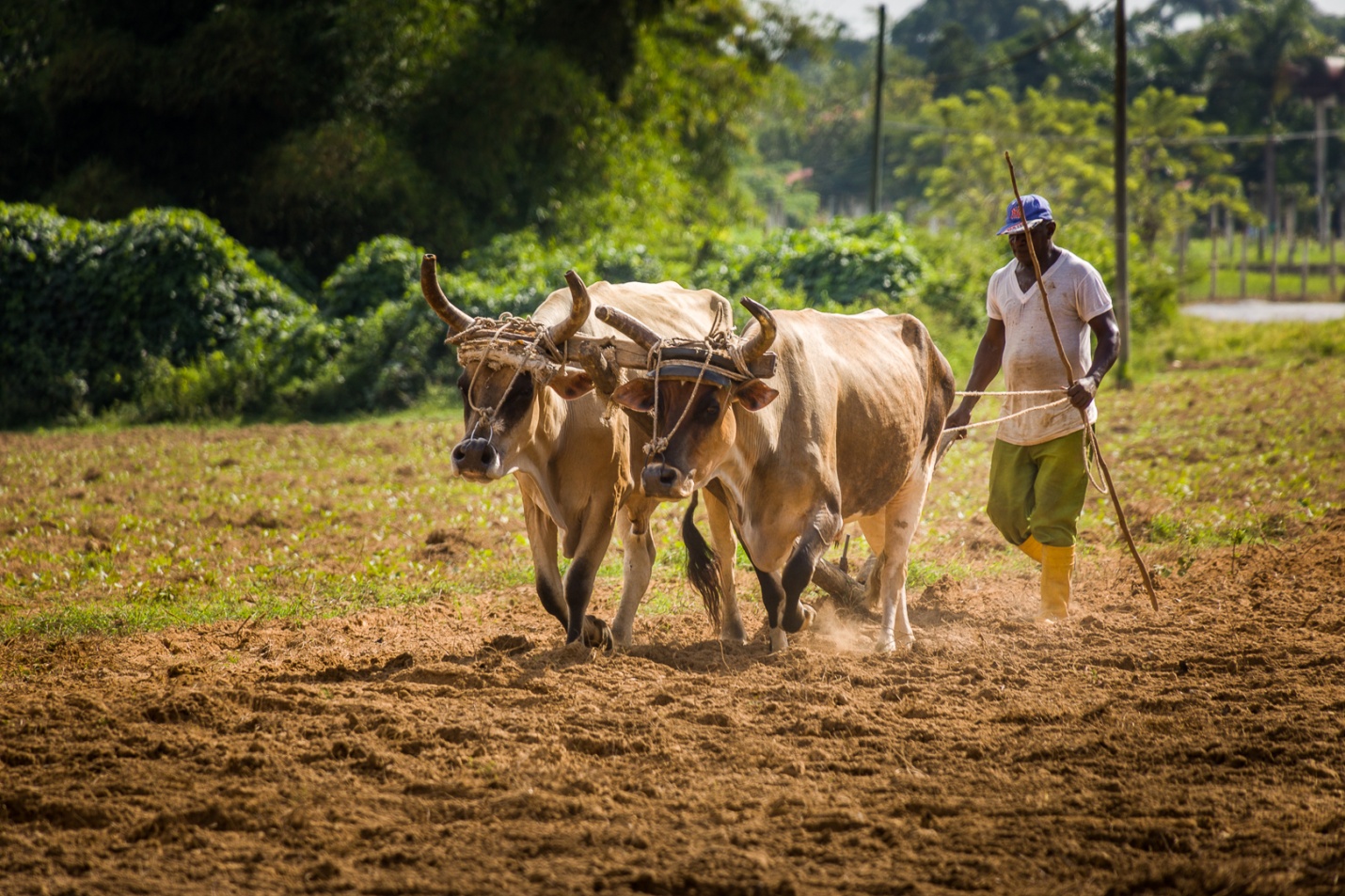
The last shots are from our recent Cuba trip. By the time of this trip I was so comfortable with the performance of the 28-300mm on my 5D Mark IV that once again it was my only lens. The first shot of the bar was hand held at ISO 4000. The second shot was at 50mm and ISO 1600 due to the shade of the porch (we asked them to come out the harsh sunlight where everyone had been photographing them). The third shot was at dusk at 179mm (On a tripod) and the last two shots were at 300mm. I hope you’ll agree that the quality of all of these shots with the 18-200mm or 28-300mm lenses is more than good enough, and the zoom range can handle almost everything you’re likely to shoot while travelling.