Some advance research and preparation can make any photography trip more pleasant and productive. Even if you’re going on a workshop, where hopefully the leader has done much of the research for you, there are still things that you should check for yourself. Here are some of the basics that I look for. With all of the information available to us on the internet, it has never been easier to prepare.
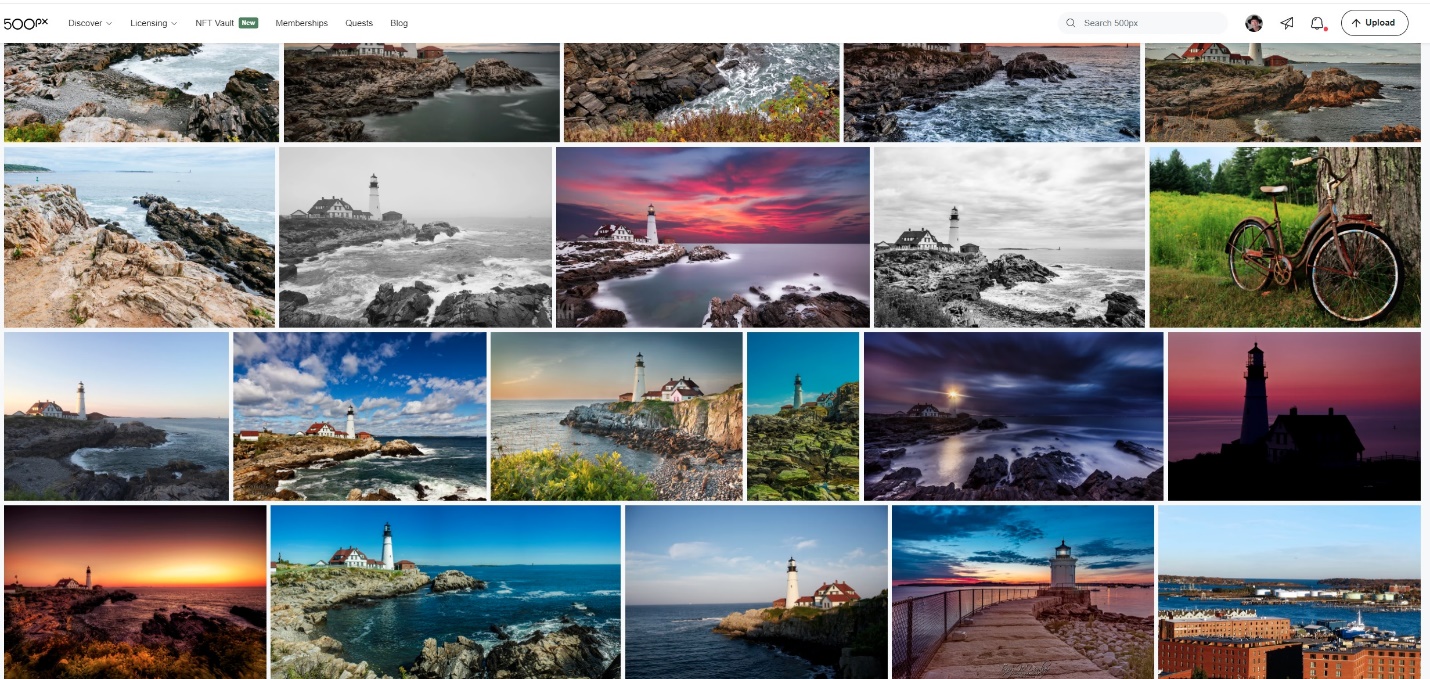
Often I get ideas for where to go from seeing an image or talking to other photographers. Once I have a general area in mind, I find it useful to see what other photographers have done in that location. Go to https://500px.com/ and search for the name of a location. You will see dozens if not hundreds of images. Pay attention to the time of year and time of day. Clicking on a picture will show you details like the photographer’s name, camera and lens, date and time. I have even used this to contact photographers and have gotten good suggestions.
When I see images I like, I try to keep them in mind as starting points, not something to try to duplicate. Often the best shots aren’t the “post card shots” but if they present themselves, take them because family and friends will expect to see those shots. I try very hard not to go on a shoot with certain exact images in mind. If you don’t get that image for whatever reason, you have set yourself up for disappointment. And while you are trying so hard to find that exact shot, you may be blind to other great shots around you. Try to be flexible and work with what’s in front of you.
Use google to search for “Best places to photograph in _____________”. Sometimes you’ll find a lot, sometimes nothing. And you’ll definitely see a wide range of photography skills. I also usually search for “photographers in _________________”, and visit their web pages. You’ll have to wade through a lot of wedding and portrait photographer’s sites, but you may also find someone shooting the types of subjects you like. Again, you might make contact and get suggestions, or even arrange to meet and shoot together. Wikipedia may be useful for general information about an area. Also search Amazon for guide books of the area, and don’t forget AAA guidebooks, and information available at welcome and tourist information centers.
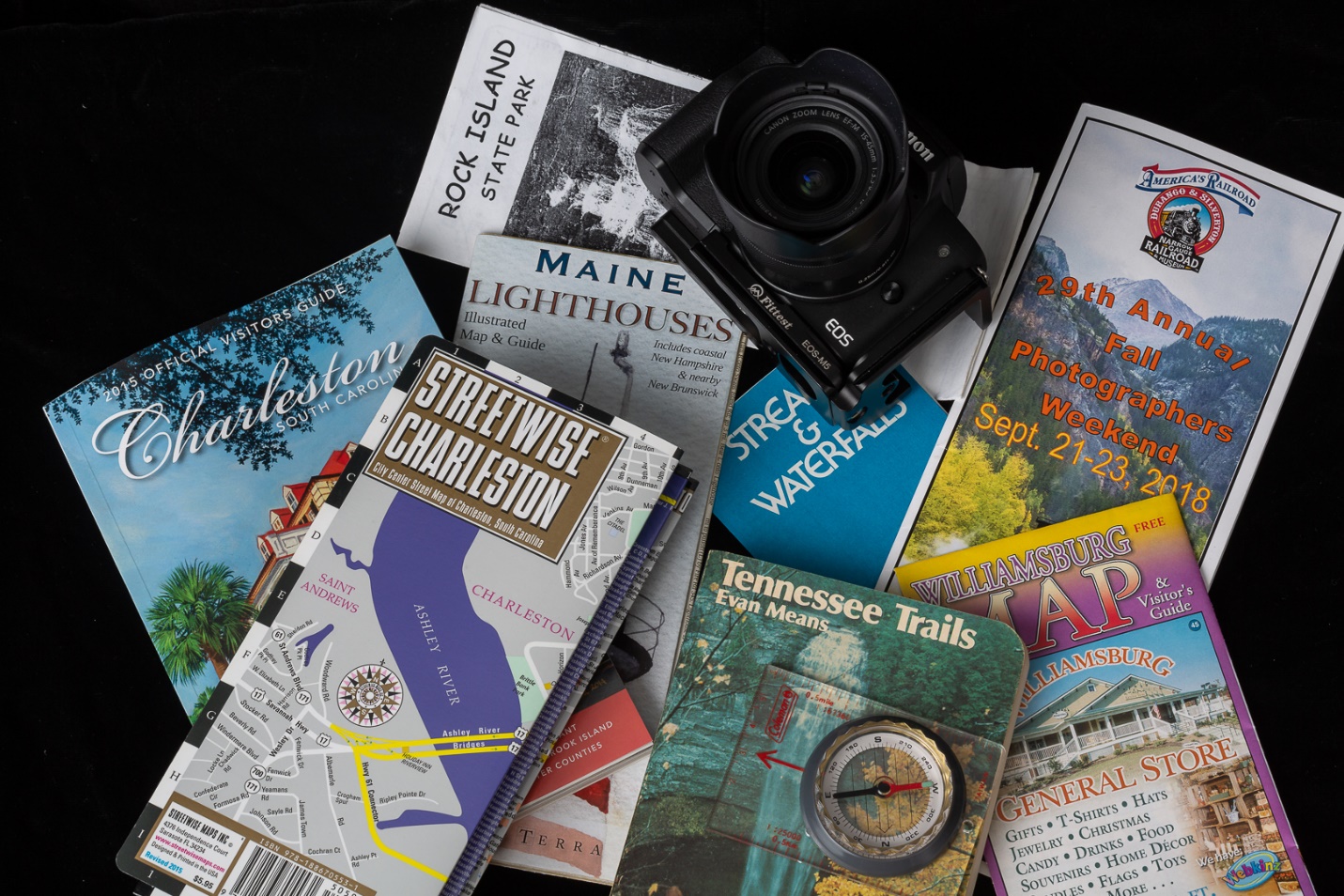
I always find it handy to have paper maps (phones fail or lose signal), and I carry a GPS and enter all of my hotels, restaurants, airports, rental cars and photo destinations in advance so I spend less time lost.
This is just a part of what I found by typing “Portland Maine” into the search field of 500PX.
Getting There
Will you be flying or driving? Are rental cars available? Is the location you want easily accessible by car or will you need an off-road vehicle? Will the location require a long hike or climb, and can you handle the physical challenge? Don’t forget that smaller regional jets, or even smaller prop planes may limit how much gear you can carry and how to pack it. In these days, don’t forget to check on Covid related requirements, especially travelling overseas. Check the CDC website for information and requirements for all countries. You might also check the State Department website for risks associated with traveling to various countries. Ukrainian vacation anyone? While you’re doing all of this research, create a document with the addresses and phone numbers of your hotels, restaurants, rental car location and airport. Also include each flight number, times and any shuttle times. Save it as a pdf and put a copy on your phone, and it’s available to you quickly anytime.
Weather
Research weather history using your favorite weather site. I like weather underground, and I’ll look at the monthly history of the area going back several years. Also I’m watching weather right up to my departure date so I can either change the clothing I carry or even cancel or postpone if necessary. Having the right clothes for the weather can definitely be the difference between a miserable, unpleasant experience, or staying comfortable so you can concentrate on photography. Don’t forget rain gear for both you and your camera. Don’t forget to research sunrise and sunset times. An app like Photo Pills on your phone will show you the location of the sun, moon or even the Milky Way on any date and time. If you’re shooting around coastal areas, you can find high and low tide times. I have a tide app on my phone. Nothing you can do to reschedule them, but you may be able to pick a day when the tides and lighting you want will coincide.
Gear
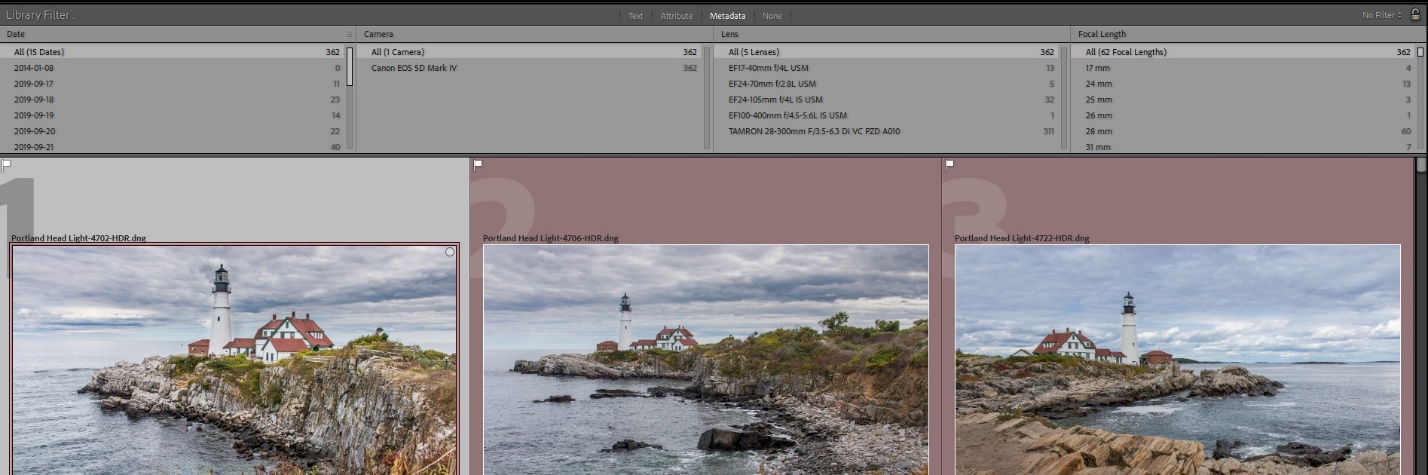
As you are looking at images, see what lenses and focal lengths others are using. If you have visited there before use the Metadata search features in Lightroom to see which lenses and focal lengths you used in thepast. That can help you minimize the number of lenses you carry. Also I’m a big fan of all-in-one travel lenses, with maybe a very wide angle zoom as a second lens. Will you need to shoot flash? And if so, is power available or will you be using batteries and are extras available in the area? If this is a once in a lifetime trip, you should consider a backup camera, especially if you are not near a city with a camera store. For me, a tripod is a given, but it will be a large sturdy one for landscapes, or a smaller one for travel photography. Plan how to carry your gear to your destination and once you’re there.
Here’s a clip of my Lightroom metadata of all of my Maine photos. Only 5 were taken with my 24-70 lens, so I won’t bother carrying that heavy lens again. Only 1 shot was taken with a 100-400, but I borrowed that one. On the right hand panel, you can even see how many shots were taken at any focal length.
Lodging and Restaurants
I have found that it’s best to book rooms in advance. There is nothing worse than travelling and photographing all day only to find that all of the area hotels are full. It also pays to search for area restaurants to make sure they will be open at that time of year and what hours. This is a major consideration in areas with extreme weather and well defined tourist seasons.
Special Events
Some areas may have special events at various times of the year. You may enjoy the events and associated crowds, but hotels may be harder and more expensive to book. Parking may be difficult or nonexistent. If there are admission fees, will you need to arrange them in advance? Personally I avoid the special events, since I don’t enjoy crowds, and photography is usually more difficult. And again, since as of this writing, Covid is still rampart, what are the mask and/or vaccine requirements? You have to make the decision on whether it is worth the risk.
Once You’re There
Even after all of your careful research, stuff happens. I’ve shown up at a hotel that looked OK on the website, only to find something that would make the Addams Family nervous. I’ve had to sit in the hotel and watch downpours and thunderstorms for days straight. I’ve blocked out a whole day to go train chasing a steam locomotive, only find that it broke down the night before. I’ve shot for a week in “severe clear” weather which means bald, and uninteresting skies. I’m sure most of you have your own horror stories. Be flexible, and try to have a plan B. If it’s nasty outside, are there some interior shots to do? Or take the time to do laundry, shop and prepare for the next day.
One of my friends says his goal at every location is to take the best picture that’s ever been taken there. But when the weather and other elements are against you, my more achievable goal is to take the best picture that anyone could possibly take under the existing circumstances. It may take ten or twenty tries to get that really perfect picture, but that’s what keeps us challenged.