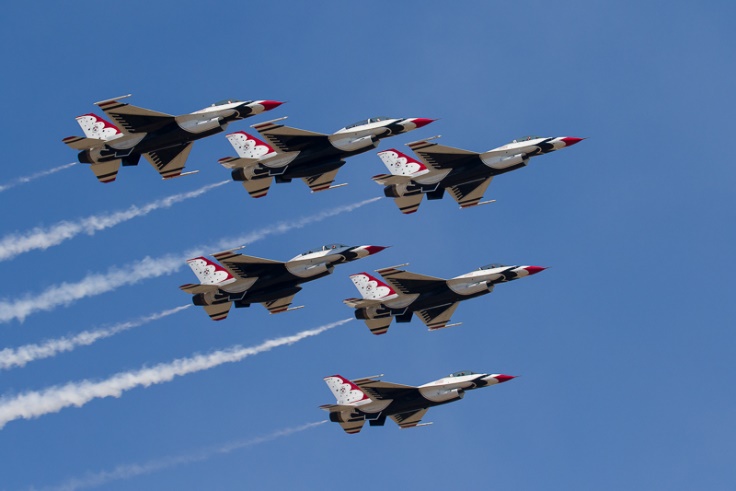
I have shot several air shows back in the film days and now more than a dozen in digital. I’m certainly not an expert, but here are a few tips I have found through trial and error.
Don’t sit in bleachers or areas with tight packed seating. Take a folding chair, arrive early and stake out a location as close as possible. Or skip the chair and roam around. If there is a special photographer’s option, it’s definitely worth the extra money.
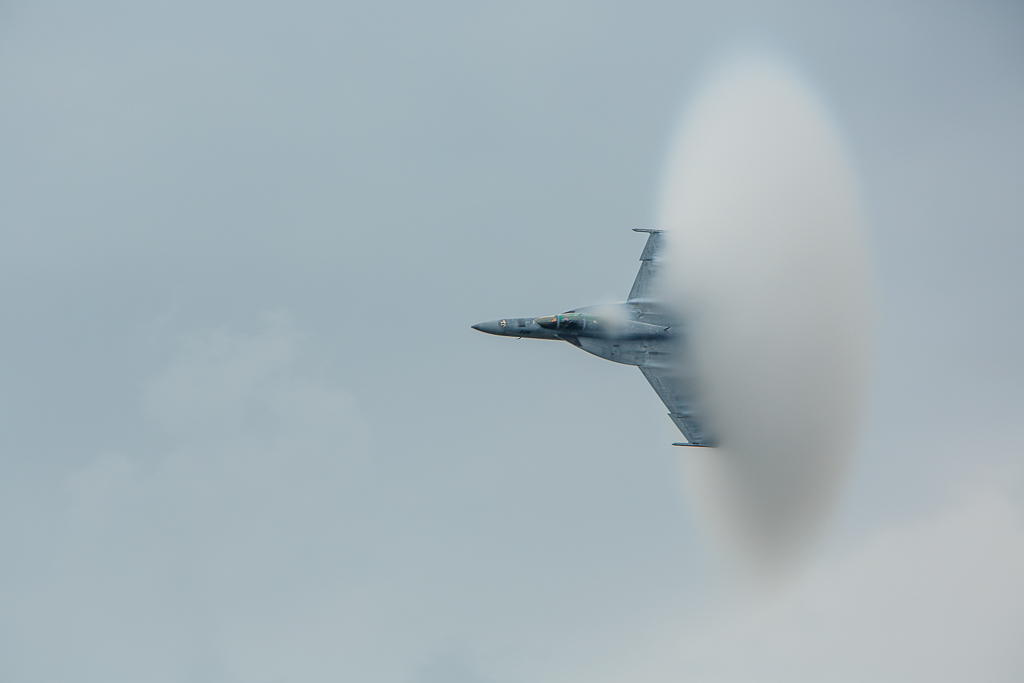
If the air show is scheduled for 2 days, plan on attending both days. At night review your work from the first day, so you can correct your mistakes or get the shots you missed on day one. Also one day may have better weather than the other, or prettier skies. Even bad weather can work to your advantage. High humidity or even light mist can create visible cone shaped “vapors” as a jet approaches 700 MPH. They last a split second, so shoot at a high frame rate when conditions are right for this effect.
Panning is a critical skill for air show photography and you need to practice beforehand by shooting moving cars, bikes, birds or animals. Remember to pan smoothly with the aircraft, and don’t stop your pan as you shoot. Shooting at your camera’s highest frame rate will make it more likely that least one shot out of a sequence will be acceptably sharp. There will be lots of blurred shots, so remember it only takes one good shot.
For most photography, you’ll want the very longest lens that you own, particularly for solo acts. A 100-400mm lens is a good zoom range. For formations of three or more planes, a 70-200 on a crop sensor or with a 1.4 teleconverter may work. Image stabilization or vibration reduction can be a real help. Forget the tripods and even monopods for planes in flight. You’ll be panning so quickly that hand held is the way to go. For static displays you may want wider angle lenses. If you have access before the crowds you may be able to use a tripod, but for safety don’t attempt to use it in a crowd.
Make sure your camera’s autofocus is set for moving subjects. On Canon cameras this is AI Servo and on Nikons it is AF-C. Make sure you are not on single shot focus mode, and double check that autofocus is not turned off on the lens. Every professional I know uses back button focus, where the focusing function is reassigned from the shutter button to a rear button. Check your manual for how to do this.
Make sure your camera and sensor are clean, your battery is fully charged, and your card is empty and formatted. Large capacity cards like 32GB can be very useful. Make sure you have extra cards and batteries. Many air show prohibit backpacks and camera bags, so make sure you can carry what you need on your person.
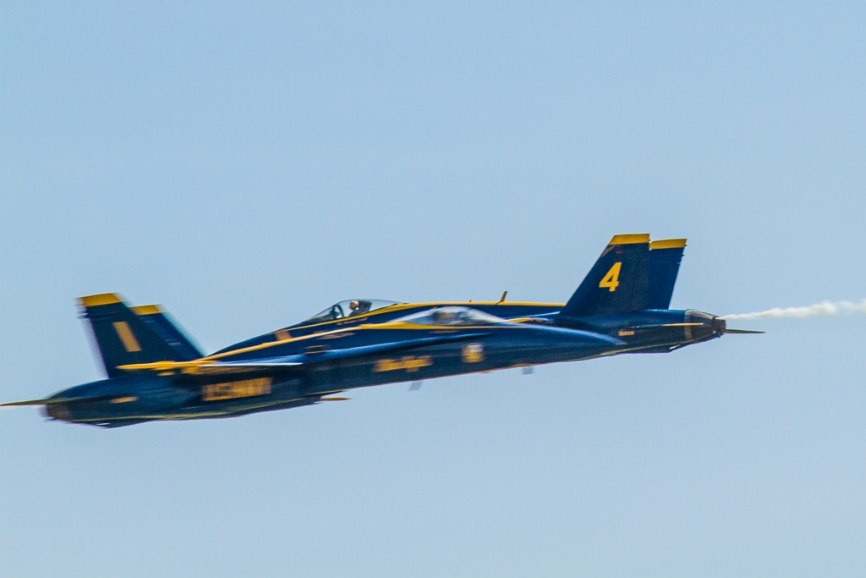
For jets, you will want a fast shutter speed, 1/1000 sec or faster. Even at this shutter speed, you need to practice panning smoothly to minimize blur. At 600 MPH a jet is moving almost 1000 feet for second. At 1/1000 shutter speed it will move 1 foot and be blurred without smooth panning. I usually use shutter priority, 1/1000, and set an ISO that will allow f/8 or f/11. On a clear day this is usually ISO 200 or 400. On a cloudy day I may even need ISO 800. For crossing shots where two jets are each flying 600MPH toward each other, closing speed is 2000 feet per second. You must be panning on one plane and begin firing on burst mode as they approach each other. If you wait until you see both planes in the viewfinder, you have probably already missed the shot. If you try to anticipate where the aircraft will cross and hold steady on that point both will be blurred. I will say that even with a fast frame rate, there is lots of luck involved.
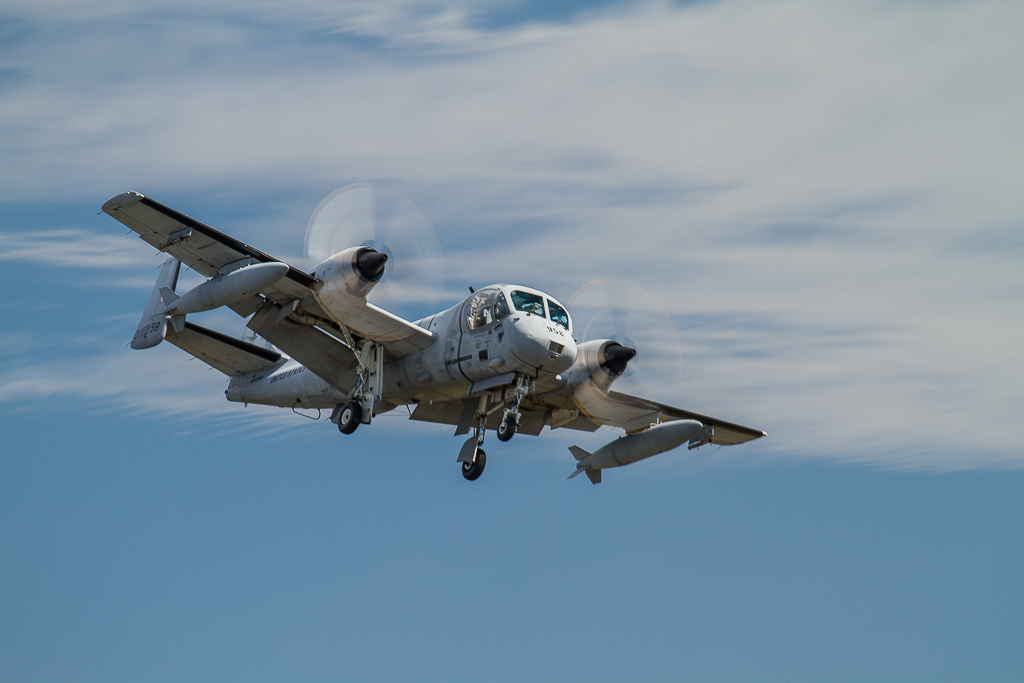
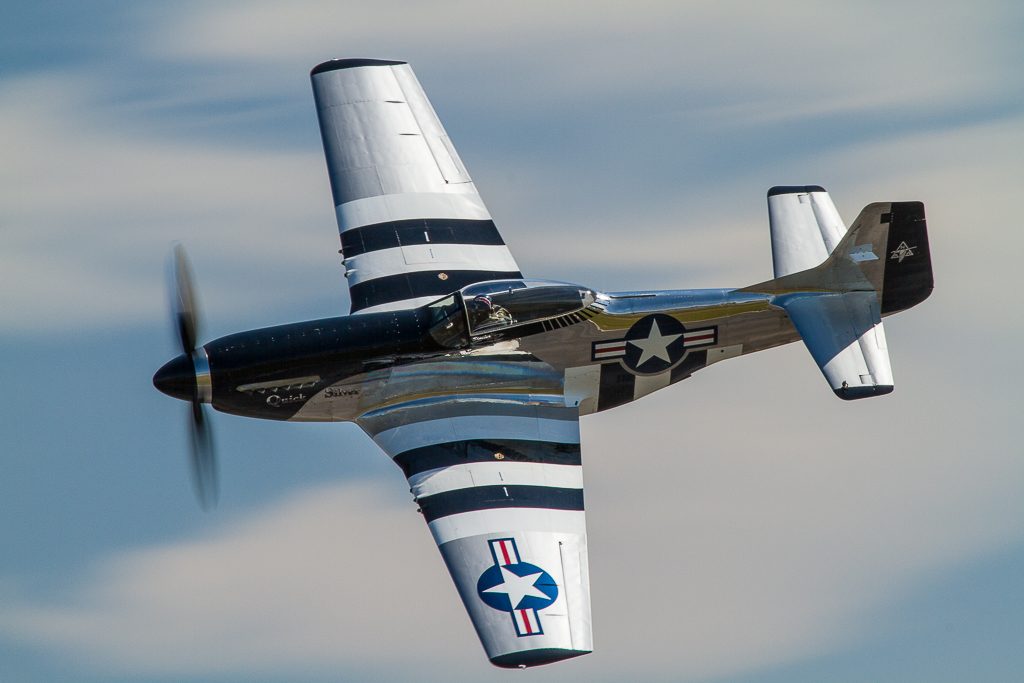
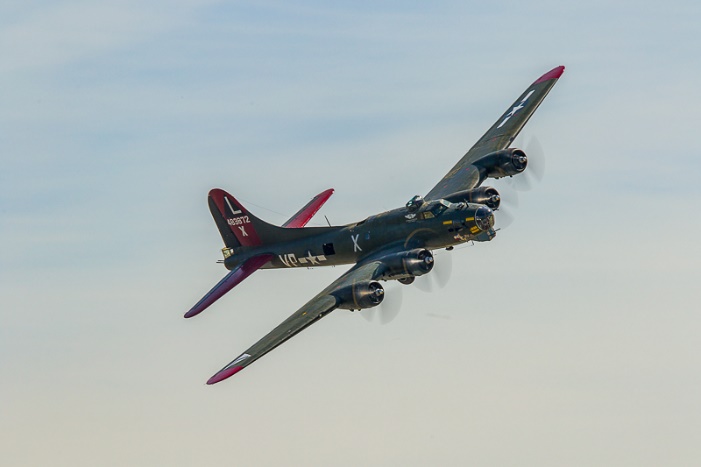
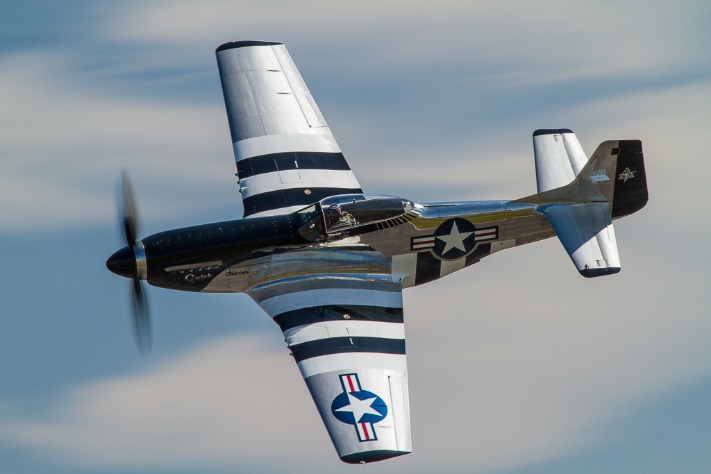
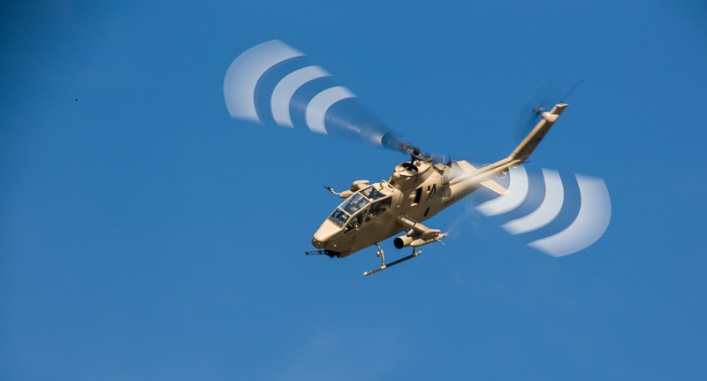
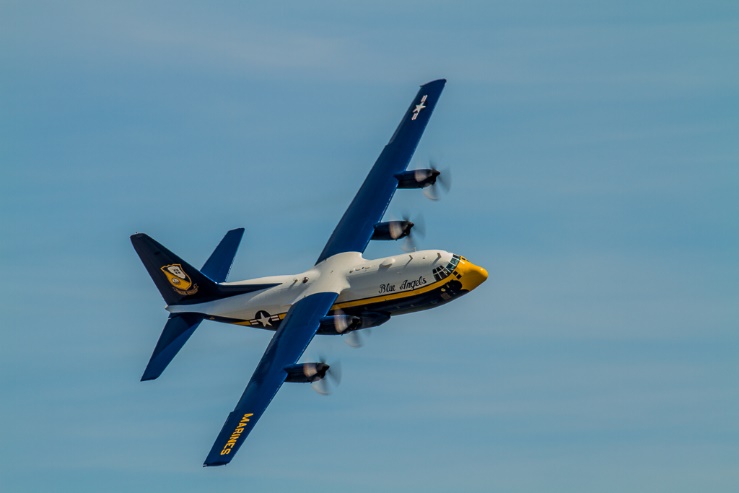
For prop planes, you do not want a fast shutter speed, as it freezes all propeller movement and looks very unnatural. Something between 1/30 and 1/80 will create a full prop circle or close to it. At these speeds panning is essential, and even with practice you will still have lots of blurred shots. 1/100 to 1/200 will still show enough prop blur to be believable. I usually use shutter priority, 1/30 to 1/100, and set an ISO that will allow f/8 or f/11. On a clear day this is usually ISO 100 or 200. On a cloudy day I may even need ISO 400. For helicopters, a shutter speed of 1/30 second or slower is required to blur the rotor blades. Even with good technique, expect lots of rejects.
Exposure can be difficult, particularly if you are shooting into the sun, in bright gray overcast, or if the aircraft are in front of bright white clouds. Shoot some test shots and review before the flights that you are most interested in. I find I’m often at +2/3 or even + 1 full stop.
Non Photography Tips
HYDRATE! At most shows you are in direct sun for the duration and it is easy to dehydrate. At the last air show I attended, there were several medical emergencies due to dehydration, and the temperature was only in the mid 80’s. Drink plenty of fluids before entering the venue. Most shows prohibit coolers and outside food and drink, so bring money for food and drinks from the vendors.
Use sun protection. Large hats, long sleeve shirts, sunscreen and sunglasses are all useful. Don’t forget sunscreen on the back of your hands. You don’t want sunscreen on your fingers or palms as this may damage your camera’s finish. Dressing in layers and wearing moisture wicking fabrics can keep you cool in hot weather or warm in cool weather. You will probably be on your feet most of the day. Wear comfortable, sturdy shoes.
The Opportunities
There are several air shows held in Georgia and Tennessee. The Great Tennessee Air Show is held annually in June in Smyrna and the recent show featured the Blue Angels. Wings Over North Georgia in Rome, GA is held each fall and Usually features the Blue Angels or thunderbirds and numerous other acts.. This is one of the few air shows I know of that has special passes available for photographers. Photographers have a tent and seating close to the flight line, drinks, and private restrooms. Also reserved parking, and early morning access to photograph the static displays before the crowds arrive. There are a limited number of passes available and they are worth the extra cost.
The Blue Angels practice on Tuesdays and Wednesdays in Spring and Summer at the Pensacola Naval Air Station Museum. When you get there, see one of the guides for access to a separate area for photographers. It has never been crowded when I’ve been there. See the official web site for dates and times.