In photography HDR stands for high dynamic range and is used to reproduce a greater range of tones than is possible with normal techniques. The human eye can see a dynamic range of about 20 stops. The best current DSLRs have a dynamic range of about 14 stops at low ISO and proper exposure. Dynamic range capability decreases with higher ISO and poor exposure. My first camera had a dynamic range of only about 10 stops. When the range of tones in a scene exceeds the ability of the sensor, either the shadows will be blocked up, or the highlights will be blown out, or both. This happens frequently in harsh light. HDR involves shooting several images with bracketed exposures to increase the dynamic range available in an image.
I recently read a statement to the effect that HDR is no longer necessary now that recent camera models have such fantastic sensors. Without stating it directly, this implies that the only reason (or excuse?) for HDR is to capture an image when the range of tones exceeds the sensors capability to record them.
So, is HDR dead? Is there any reason or excuse to shoot brackets and process with HDR techniques when the range of tones falls within our sensor’s capabilities? With the newer sensors, it’s much less common for the scene to exceed our camera’s range. Those of you who have been on photo outings with me know that even though I walk around with a Canon 5D Mark IV which has very good dynamic range, you’ll still see (or hear) me shooting bursts of brackets, usually at -2 stops, normal and +2 stops. Why? Because for me it’s not only about the dynamic range.
Most of us know the advantages of shooting under overcast skies that reduce the contrast range. In the studio we use light modifiers to mimic overcast light and decrease contrast. Certainly with lower contrast scenes, HDR is not necessary to capture an acceptable image. For my particular style of photography, I find that an HDR image can make tones, textures and sometimes even colors really pop. Could I make an acceptable or even good image without HDR? Yes, but again it comes back to personal style, vision, and how I want the image to feel.
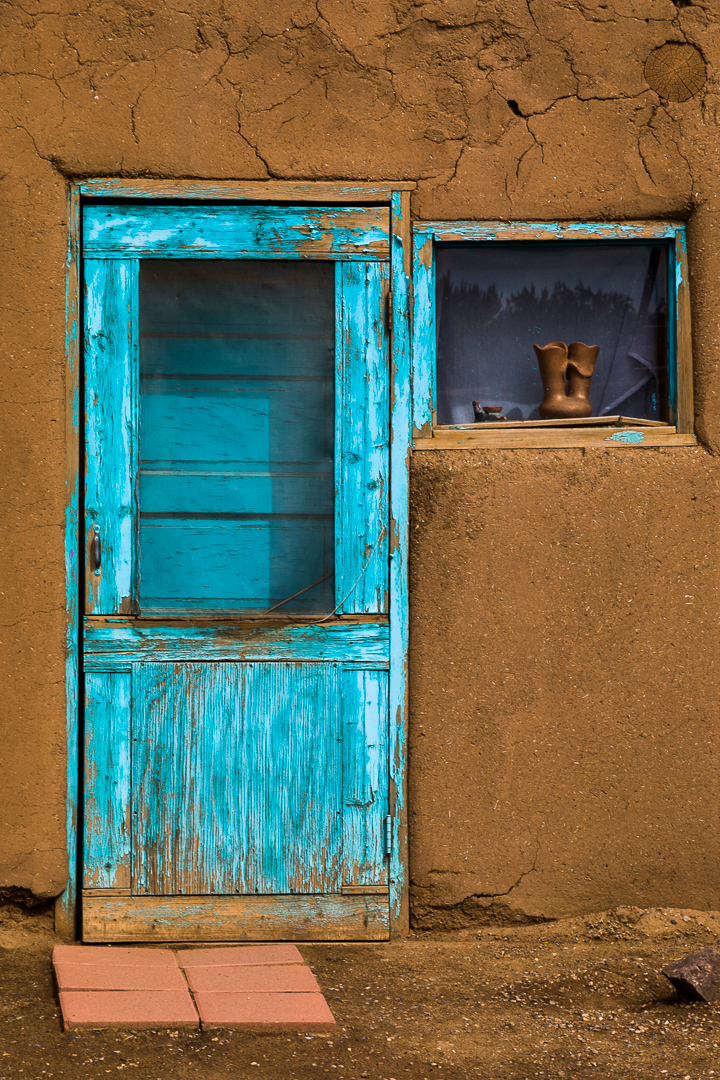
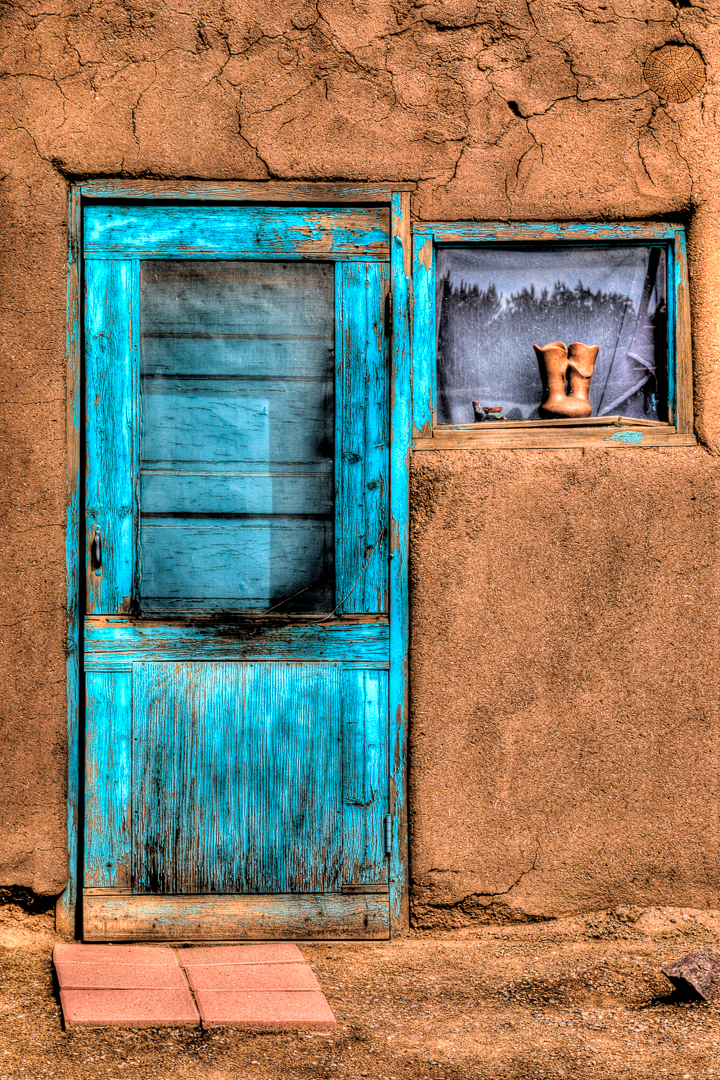
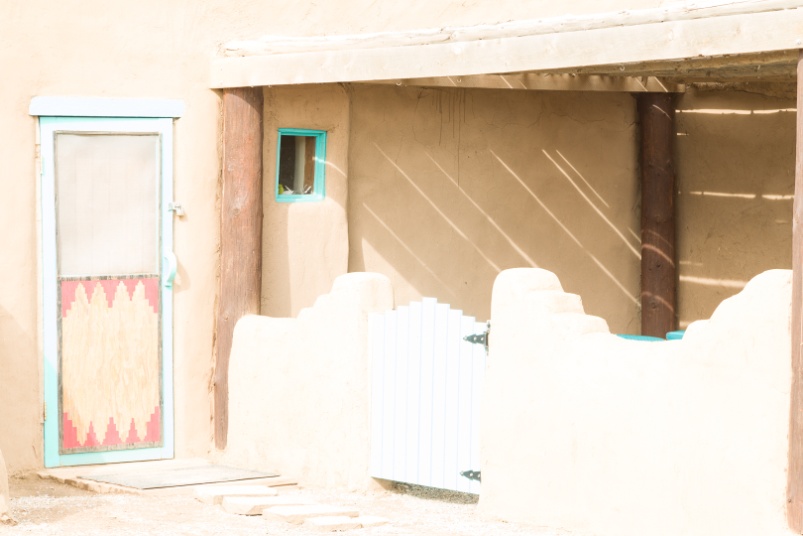
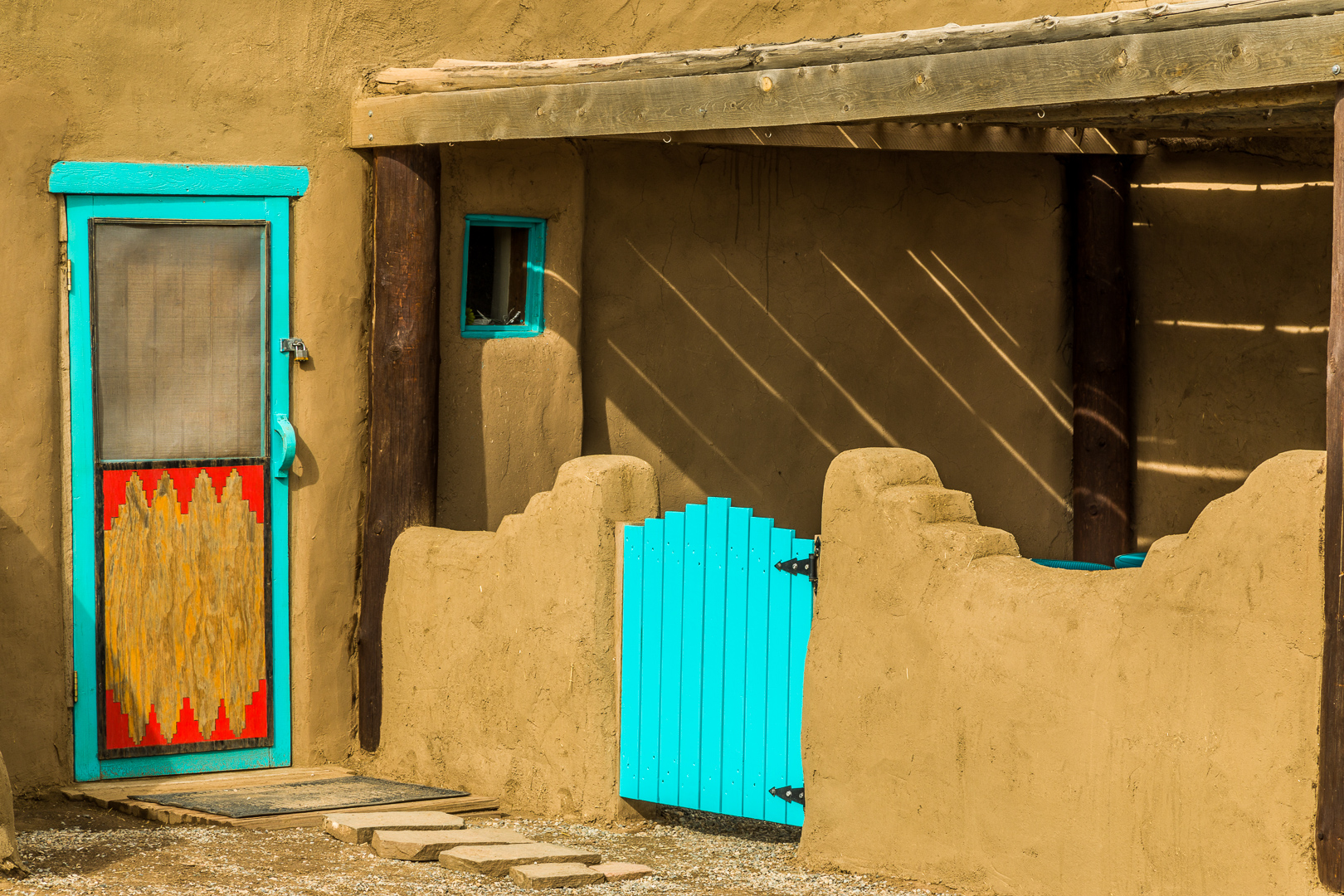
So here are two images from the Taos New Mexico Pueblo taken last year. It was partly to very overcast, and certainly the light didn’t require HDR. There were no reflective tones that demanded HDR. But I’ll try to show you the difference in the look and feel of the images without HDR, and with two HDR techniques.
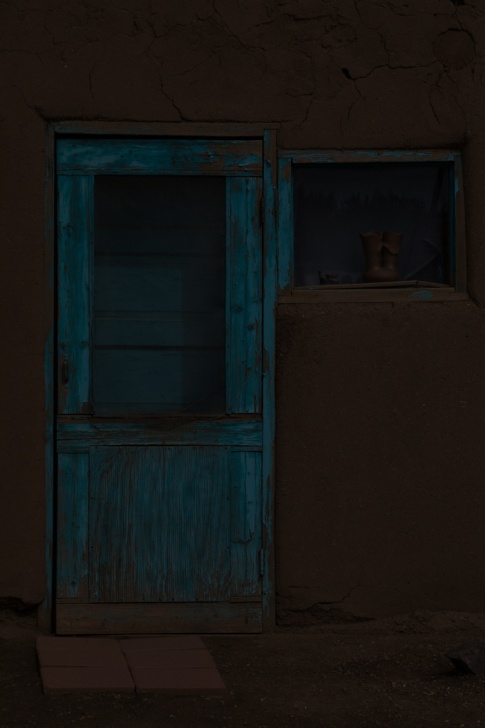
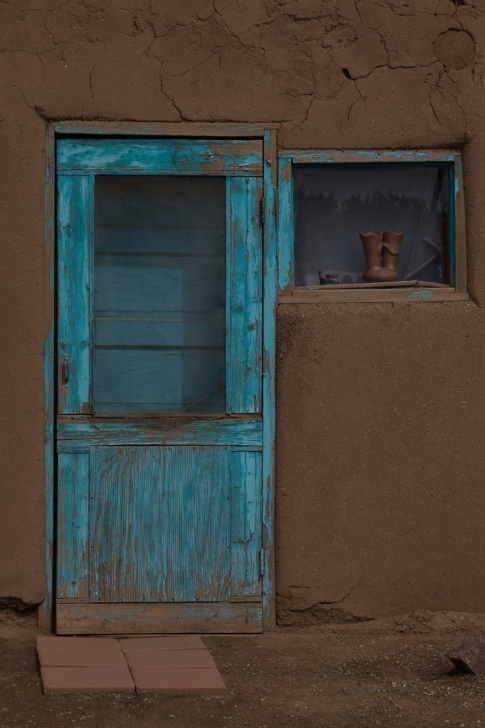
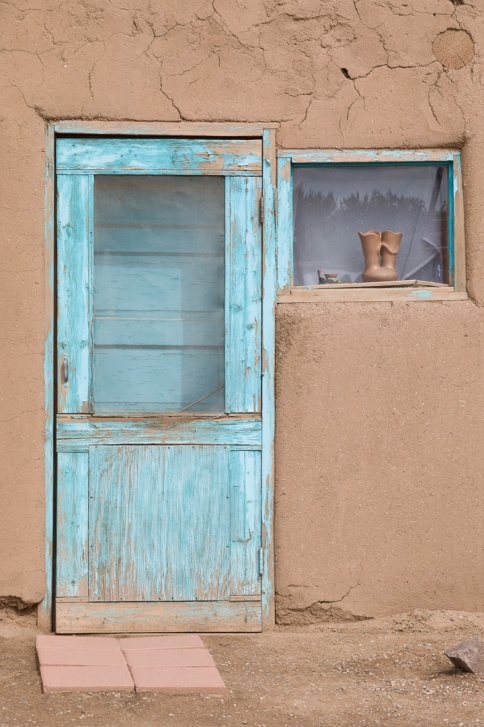
Here are the three brackets (-2, normal and +2) used for my first image. You can see that the normal exposure doesn’t have any blown out highlights or totally blocked up shadows.
This is just the normal exposure processed in Lightroom using just the normal tonal controls. It is a perfectly acceptable, maybe even good, image. Certainly there are no blown highlights or black shadows.
Here, I created an HDR image in Lightroom from the three brackets using the merge to HDR function. This has become my go-to technique when I want a realistic look, even when I have exceeded the range of my sensor. I’ve processed it using just the tonal controls and here is the result. I really don’t see any real differences, and given the low contrast scene, that’s probably to be expected.
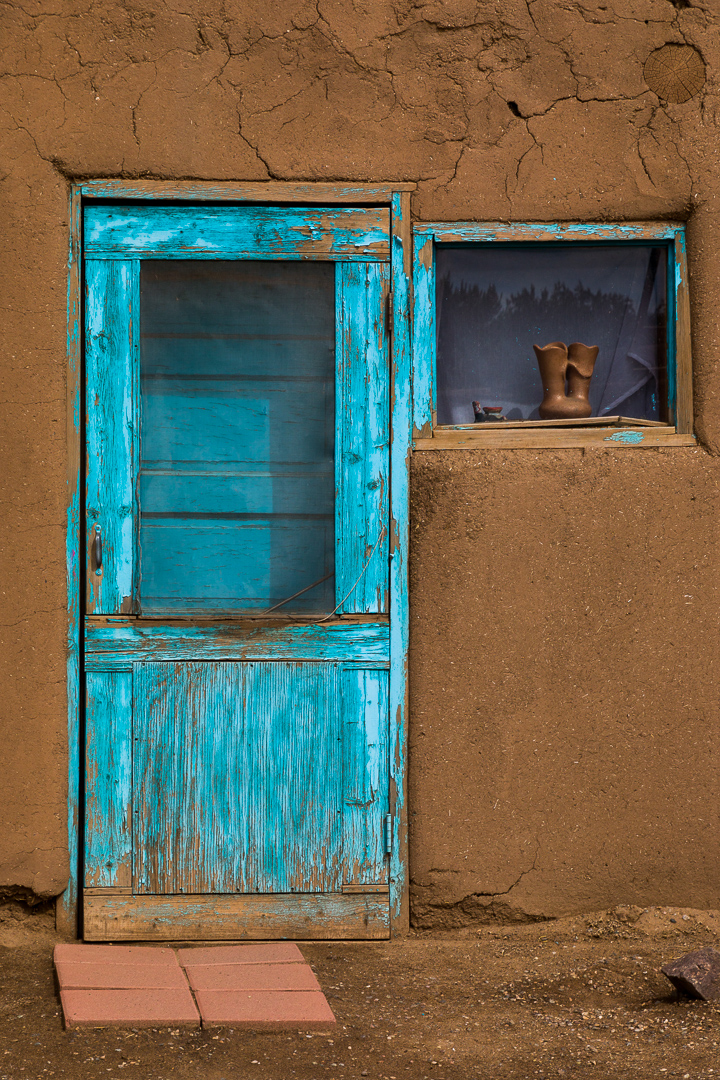
Here I took the three brackets into Photomatix 6 Pro and processed the image by adjusting white and black points, and detail contrast using the image enhancer mode. While you may not see it clearly at this size (and it may have lost resolution and detail in the conversion to PDF), the details and textures seem much sharper to the eye. The colors may pop just a bit more, but not that drastically for this image. One of the characteristics of “Bad HDR” (and I’ve done more than my fair share) is the lack of shadows, causing an image to look flat and unrealistic. When I process in Photomatix I look at the preview and the histogram to make sure I’ll have at least a touch of black in the shadows. In this image, the smaller shadows that show texture are actually accentuated.
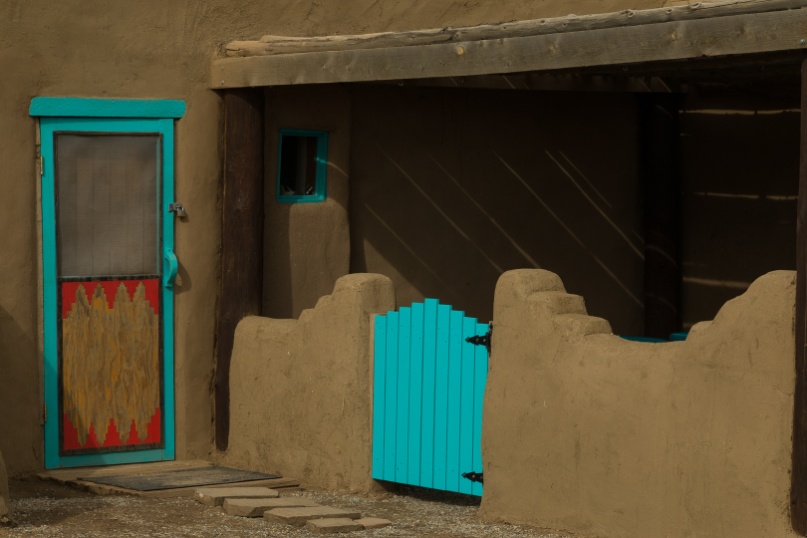
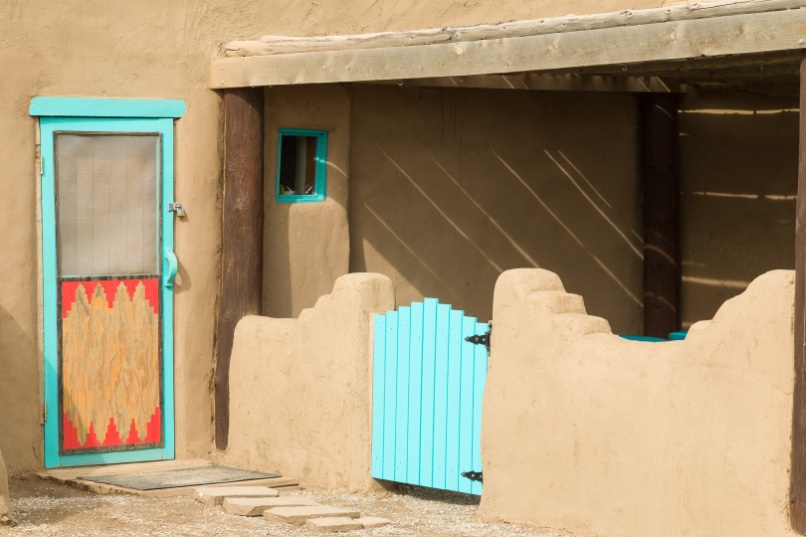
Here are the three brackets (-2, normal and +2) used for my second image. By the time I shot this scene, the sun was out a bit more and there was more contrast, but well within the range of my sensor. Again, the normal exposure doesn’t have any blown out highlights or totally blocked up shadows.
This is just the normal exposure processed in Lightroom using just the normal tonal controls. Again, it’s a perfectly acceptable image.
Here is the result of creating the HDR image in Lightroom. It was processed using just the tonal controls in the develop panel. Again the look is pretty similar to the single normally exposed image. That’s because we are well within the range of the sensor.
Now here’s the image processed using the three brackets in Photomatix. While the large shadow under the porch is opened up, there is still a dark shadow under the gate. But once again the shadows of the textures of the Adobe are emphasized, bringing out the detail. This is the image that best fits my personal vision for this image.
So, is HDR really dead? Just kidding. After all it’s part of my style.