In last month’s article I talked about lenses, focal lengths, and perspective. This month I thought I’d take it a step further and talk about lens selection for portraits or any people pictures for that matter. Some would say that shooting portraits is beyond basic, and they might be right. But at some point, even beginning photographers will take photos of people and lens choice may make the difference between a good or bad shot; it could mean the difference between a flattering portrait and an unflattering portrait. Poor lens choice could even add weight to your subject, and then you know you’re going to be in trouble.
Head and shoulder portraits
This is what many people think about when they think of portraits. This is probably the area where lens selection is most important because the wrong lens can distort the facial features. Last month we discussed how placing a wide angle lens close to a subject exaggerates perspective and the difference in size in near and far subjects. These same effects happen with a face; we have the tip of the nose close to us, the eyes a bit farther back and the ears still further back. Add to that the fact that many people don’t enjoy being photographed, but anyone would hate having a camera stuck right up in their face. A comfortable shooting distance for most people is 4 to 6 feet. Shoot closer than this and not only will you have distortion caused by unnatural perspective, but you will have invaded your subjects personal space and made them uneasy if not mad.
Again I’m going to refer to focal lengths as if they were a full frame camera. If you use a crop body camera convert the focal length I’m using by dividing by your camera’s crop factor. For example if I’m using a 100mm lens on a full frame camera, for a camera with a 1.6 crop factor the equivalent lens would be 100/1.6 or about 62mm.
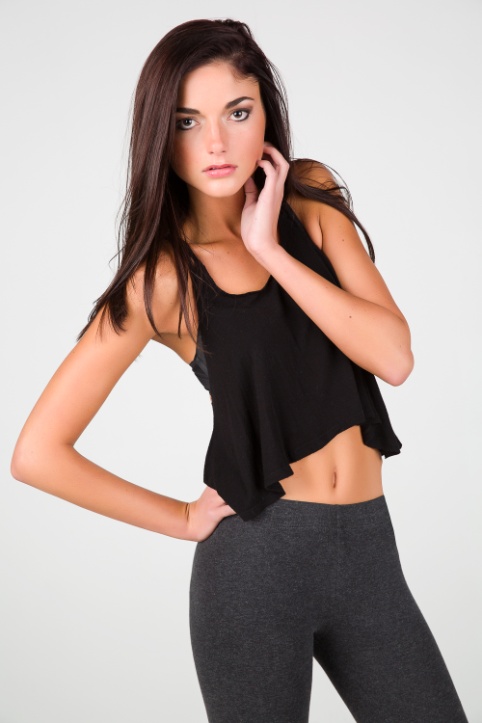
The focal length best suited for head and shoulder portraits is usually in the 90-135mm range. One of my favorite lenses for tight headshots is the 100mm macro lens. Shorter lenses tend to exaggerate the length of the nose and chin, while lenses that are too long tend to compress the face, causing it to lose its three dimensionality and look heavier.
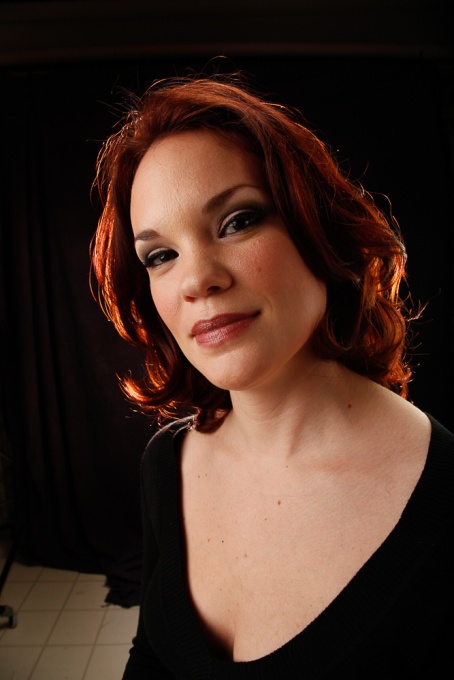
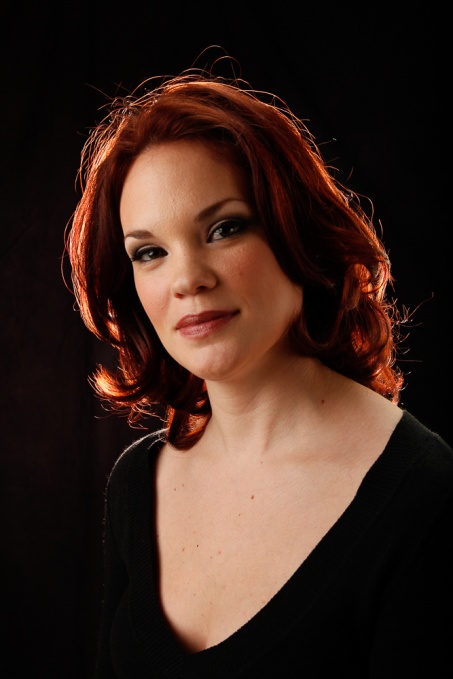
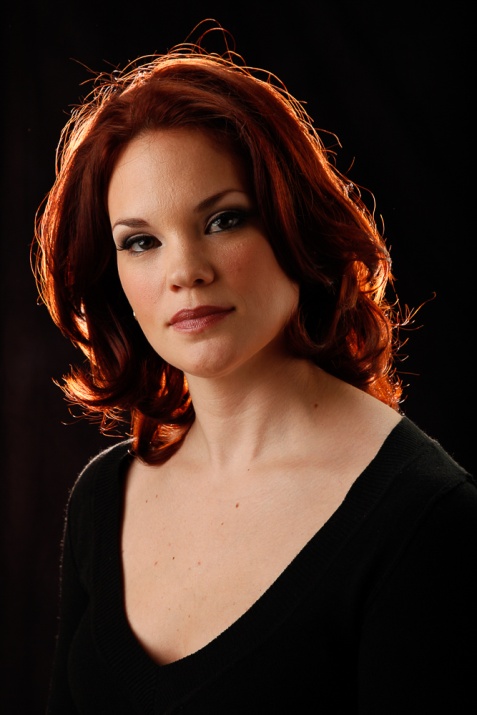
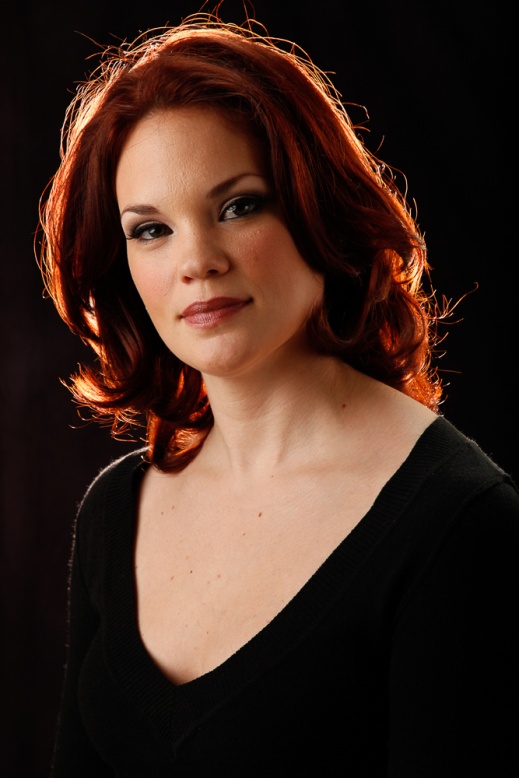
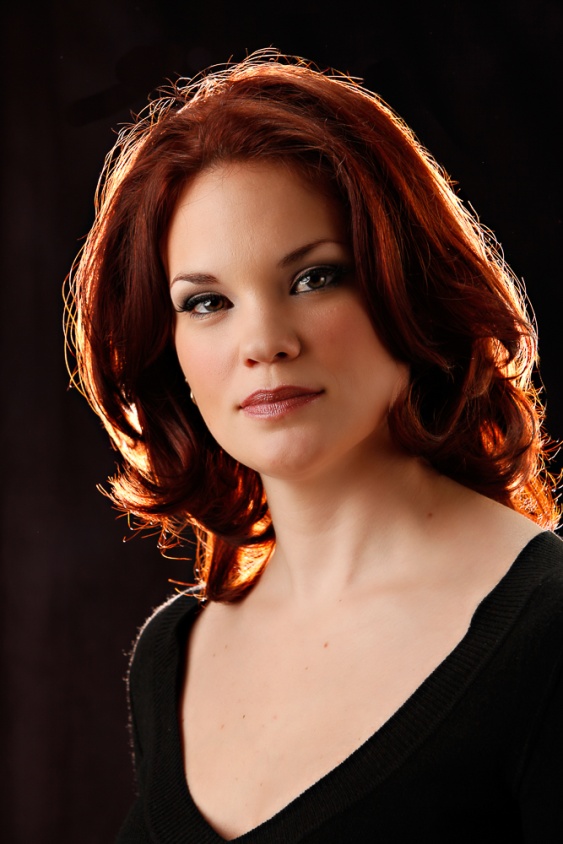
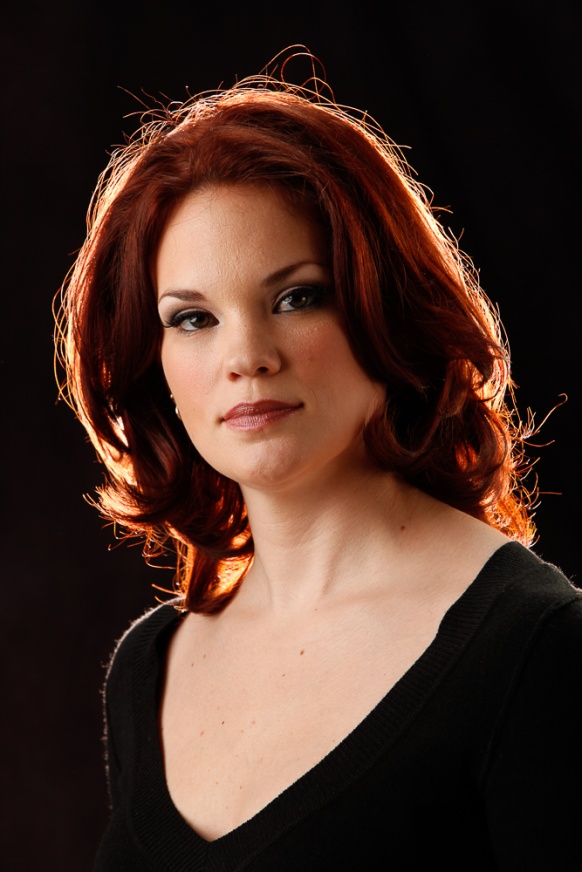
Below is a series showing the effect of varying focal lengths on a tight portrait.
Figure 1 A 24mm shows very unflattering distortion of the face
Figure 2 At 50mm distortion is less, but the nose is still large.
Figure 3 By 85mm we are close to a good perspective and the camera is a comfortable distance from her face.
Figure 4 100mm is in the range that many photographers believe is ideal for tight portraits. There is no unflattering distortion.
Figure 5 135mm is also in the range that many photographers believe is ideal for tight portraits. Again there is no unflattering distortion.
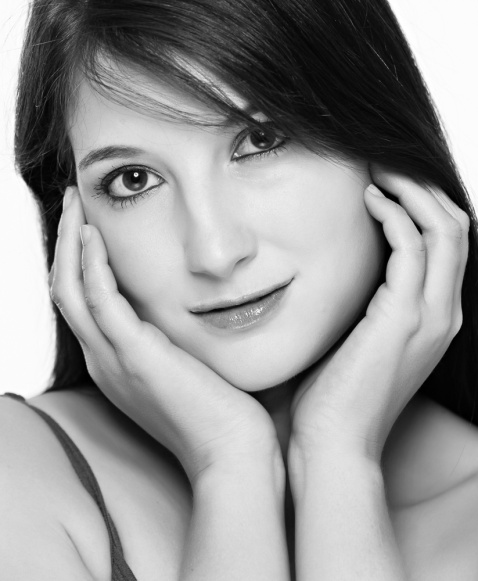
Figure 6 For some faces 200mm may compress the features too much. Compare this with the 100mm or 135mm shots and the face seems a bit heavier.
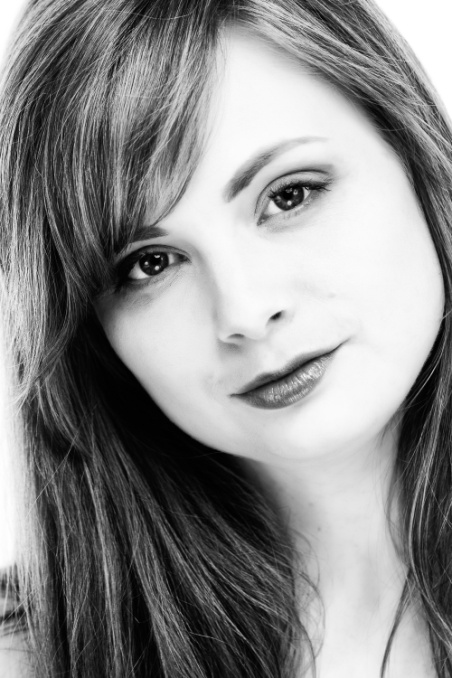
Figure 7 For some faces a 200mm can work well.
Figure 8 For some faces a 200mm can work well. This model has a long neck and narrow nose.
1/2 to 3/4 body shots
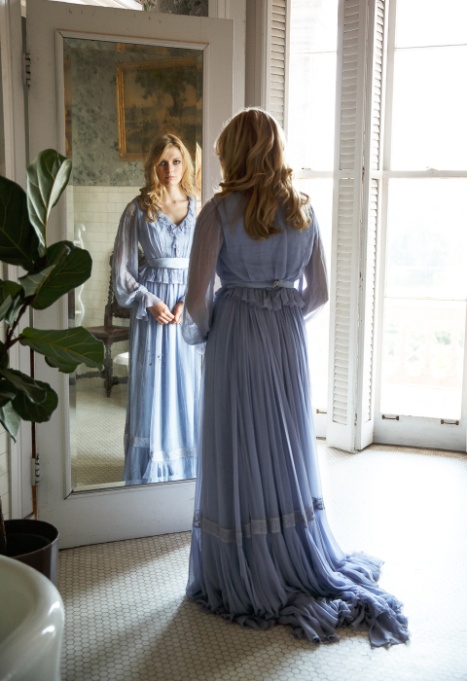
For shots where the frame is filled by 1/2 to 3/4 of the body height 50 to 80mm works well.
Figure 9 This is roughly a 3/4 length shot at 70mm.
Full length body shots
For shots where the frame is filled or nearly filled by the body height 35 to 80mm works well.
Figure 10 35mm works for this full length shot.
More than full length
When the whole body doesn’t come close to filling the frame even wide angle lenses can work well.
Figure 11 Since the two men are not close and are small in the frame a wide angle will not cause distortion.
Breaking the normal rules
There are times you want a different visual effect, or are limited to shooting in a tight space or don’t have the right lens available. It is possible to use wider than recommended lenses and still make an effective picture.
Figure 12 My model wanted the apple to be prominent in the picture and a 17mm lens did that. Notice that her body proportions are exaggerated, but this was OK for the shot she had in mind.
Figure 13 It was necessary to use a 19mm lens to get the right perspective of the teeth and hygienist.
Figure 14 This model wanted her skateboard to be the main focus of the shot. 19mm makes her feet look disproportionate to her head and shoulders, but the shot says “skateboarder”
Figure 15 With the model squatting down, this is probably a 1/2 body shot, and even though it is a bit wide, 35mm worked.
Figure 16 A narrow staircase forced me to use a 24mm lens, but by keeping the camera parallel to the subject and at waist level I was able to minimize distortion.
Soft focus Lenses
It isn’t always necessary or desirable to have everything razor sharp in an image. Soft focus lenses create flare that decreases sharpness and contrast in a way that is hard to duplicate in post processing. The only fully auto focusing and auto exposure lens I know of is the Canon 135mm soft focus lens. It can be set to shoot at normal sharpness or used at varying degrees of softness.
I also have two old, cheap and totally manual lenses that have to be adapted to my camera by the old T-mount adapter system. One is the all plastic Sima 100mm soft focus lens. This lens slides in and out to focus, and has two plastic inserts to change the aperture. I also have an old Spiratone Portragon lens. It is an all metal 100 lens that also uses the T-mount system. I don’t use these lenses very often, but they have a unique effect and also can give an antique look to a picture. Neither of these lenses are still in production, but they sometimes show up on EBay or at used camera stores. They can be adapted to virtually any camera with the right T-mount.
Figure 17 Shot with the 100mm Portragon lens. It is no longer made, but used ones turn up occasionally. I used B&W, sepia toning and a vignette to make it look like an antique picture.
A Cheat sheet for focal lengths for portraits
Here is a table with recommended focal lengths. In general it is better to use a lens that is too long rather than too wide as long as you have room to frame your subject properly.
Size
Full Frame
1.5 crop Nikon
1.6 Crop Canon
2.0 crop micro 4/3
Head and shoulder
90-135mm
60-90mm
55-85mm
45-67mm
1/2 to 3/4 body
65-85mm
43-60mm
40-53mm
32-42mm
Full length
35-50mm
24-35mm
22mm-32mm
17-25mm
More than full length
24-35mm
16-24mm
15mm-22mm
10-18mm
Practice assignment
1) If you can find a willing portrait subject, photograph them in tight portrait, waist length and full length views with wide, normal and telephoto lengths and notice how the lens affects the look of each type of picture. Do not show these to your subject, since we know many of these will not be flattering. Even with an explanation, someone is very likely to get their self esteem hurt, whether they say so or not. It is not worth risking hurting someone’s self image. Just explain that these are a test, and NOBODY but you will ever see them.
2) Shoot with a wide or very wide angle lens to show the subject in his or her environment or to use distorted perspective creative. Again don’t show these pictures.